












If you're wondering how to thicken homemade frosting you've come to the right place. I've got five easy tips to fix runny frosting and get it just right. Keep reading to learn how to get a thick, smooth frosting that's perfect for spreading or piping onto your favorite treats!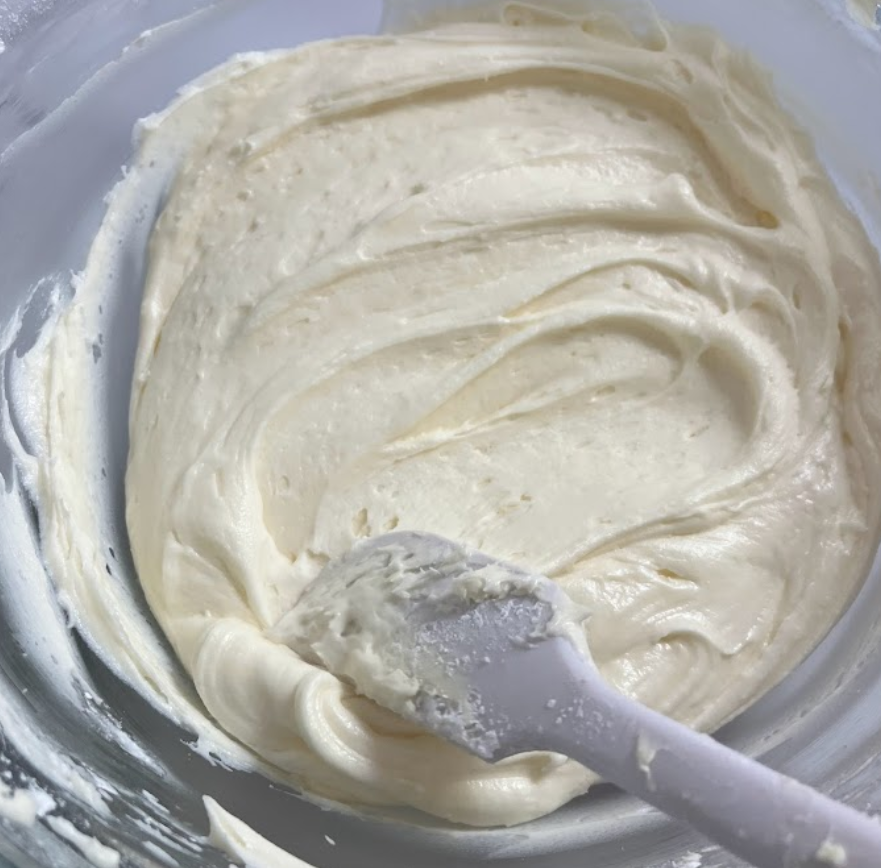
Start with a Good Recipe
Before you start trying to fix runny frosting, it's important to have a solid base. A homemade frosting recipe with the right balance of ingredients is key. Start by following a recipe that uses the correct ratio of butter, powdered sugar, and any liquid ingredients like milk or vanilla extract. This will give you the best chance of achieving the perfect consistency right from the start. Plus, it’s much easier to adjust the frosting when the foundation is good.
My Favorite Frosting Recipes
- Best Frosting for Decorating Cookies: This recipe is perfect for sugar cookies or any cookies that need a smooth finish and hold up well.
- Perfectly Fudgy Hershey's Frosting Recipe: Rich, chocolatey, and great for layering on cakes or cupcakes.
- Best Creamy Vanilla Frosting (No Powdered Sugar): If you want a smooth vanilla frosting without powdered sugar, this is a must-try.
- My Favorite Shelf-Stable Buttercream Frosting: This frosting is perfect for cakes that need to sit out or travel.
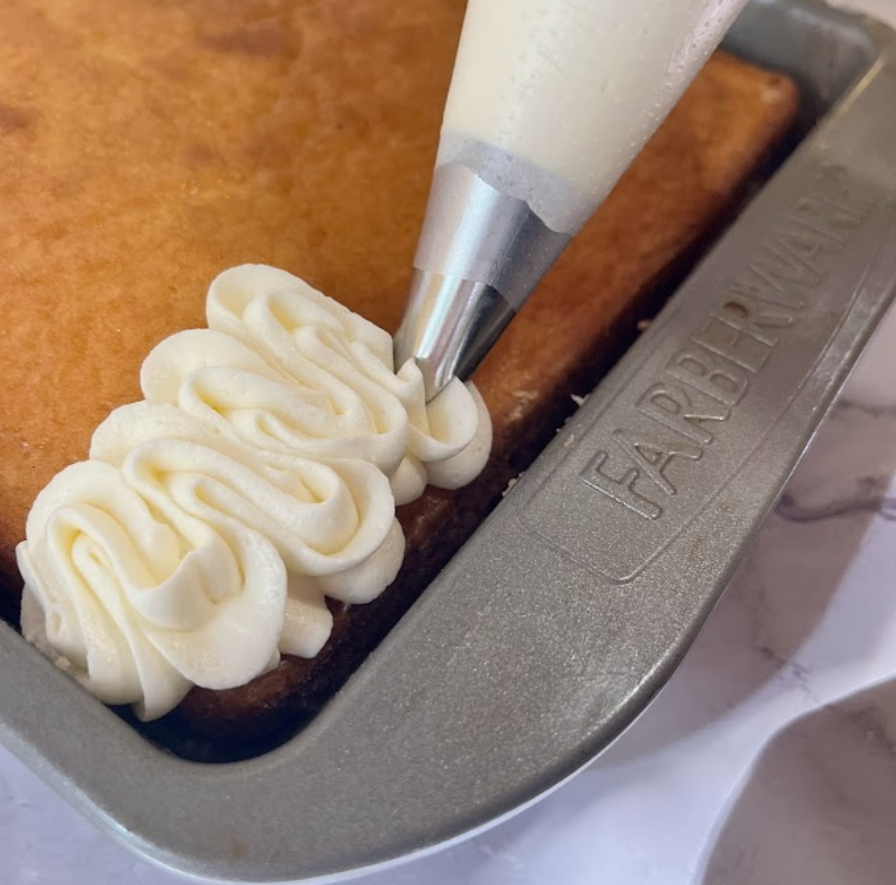
5 Easy Tips for How to Thicken Homemade Frosting
- Add More Sugar: Start by adding a half cup of powdered sugar at a time. Mix it with an electric mixer or stand mixer until your frosting reaches the desired thickness.
- Use Cornstarch or Tapioca Starch: Add a bit of cornstarch, one tablespoon at a time, and mix well. This will thicken the frosting without increasing sweetness.
- Add Cocoa Powder (for Chocolate Frosting): If you’re making chocolate buttercream, gradually add cocoa powder for both flavor and thickness.
- Try Meringue Powder: Stabilize the frosting by adding a tablespoon of meringue powder. Mix with a hand mixer or stand mixer until the frosting firms up.
- Refrigerate the Frosting: Place the frosting in an airtight container and chill for 30 minutes. This helps thicken frosting that has softened due to high temperatures.
Main Reasons for Runny Buttercream
Runny buttercream frosting happens for a few reasons. The temperature of your butter might be too warm, or you may have added too much liquid like milk or vanilla extract. Higher temperatures can also make your frosting too soft. To get that perfect consistency, here are some easy ways to fix it.

Tips for Thicker Buttercream Frosting
1. Add More Sugar
The best way to thicken frosting is by adding more powdered sugar. Start by adding a half cup at a time to your mixing bowl. Use an electric mixer or stand mixer on low speed to blend until the frosting is smooth. This method is a great option because it’s easy and helps keep the flavor of your frosting sweet and delicious.
2. Use Cornstarch or Tapioca Starch
A bit of cornstarch can also help thicken your frosting without adding too much sweetness. Try adding a tablespoon of cornstarch at a time until you reach the desired consistency. Tapioca starch is another thickening agent that works well. Both are great if you don’t want to add more sugar.
3. Add Cocoa Powder for Chocolate Frosting
If you’re making a chocolate buttercream, adding cocoa powder can thicken the frosting. Start with a small amount and add more if needed. This not only thickens your frosting but also gives it a richer chocolate flavor.
4. Try Meringue Powder
Another great way to thicken frosting is with meringue powder. Add a tablespoon of meringue powder to your frosting and mix it in with your electric mixer. This will help stabilize the frosting, making it easier to spread or pipe.
5. Refrigerate the Frosting
Sometimes, all your frosting needs is a bit of chill. Place your frosting in an airtight container and let it sit in the fridge for about 30 minutes. Cold buttercream will thicken up as the butter cools. This is especially helpful if your frosting became too soft from higher temperatures.
Fixing Specific Types of Frosting
- Cream Cheese Frosting: Add more powdered sugar or full-fat cream cheese to thicken this type of frosting.
- Whipped Cream Frosting: Add a cup of heavy cream or whip it until you see soft peaks for a thicker consistency.
- American Buttercream: If it’s too soft, add more icing sugar or chill the frosting to make it spreadable.
Avoid Adding Too Much Liquid
It’s easy to accidentally add too much milk or other liquid ingredients like vanilla extract. If this happens, balance it by adding more dry ingredients like sugar or cornstarch. You can also avoid this by adding tablespoons of milk slowly, rather than all at once.
Simple Fixes for Thickening Frosting
- Add powdered sugar or corn starch for a quick thickening solution.
- Use cocoa powder to thicken chocolate frosting.
- Refrigerate frosting to fix warm frosting.
- Avoid adding too much liquid at the start.
Tools and Tips for Frosting Success
- How to Store Cupcakes with Frosting: Proper storage techniques are crucial for keeping your frosted cupcakes fresh and tasty.
- Best KitchenAid Attachments for Frosting: In this tutorial, I’ll walk you through the KitchenAid attachments that make whipping up the perfect frosting a breeze.
The Perfect Consistency for Your Frosting
Once your frosting is thickened, it’s time to test it out! Whether you’re frosting a layer cake, filling a piping bag, or icing sugar cookies, getting the perfect consistency is key. If your frosting spreads easily but holds its shape, you’ve got it just right.
With these tips, you’ll have delicious frosting that’s thick, creamy, and ready to be the perfect finishing touch for your favorite desserts.
FAQ: Common Frosting Questions
1. How does room temperature affect frosting consistency?
- Answer: Room temperature plays a big role in achieving the right consistency for frosting. If your butter or cream cheese is too cold, it will be difficult to mix smoothly, resulting in lumps. On the other hand, if it’s too warm, the frosting may become runny. For best results, ensure your butter or cream cheese is at room temperature before you start, which means soft but not melting. This will give you a creamy frosting that's easy to spread.
2. How much cornstarch should I add to thicken frosting?
- Answer: When thickening frosting with cornstarch, start with a small amount—about 1 tablespoon at a time—and mix it well. Gradually increase the amount if needed, but avoid adding too much cornstarch as it can affect the texture of the frosting, making it too stiff or grainy. For most frostings, 1–3 tablespoons should do the trick, depending on how runny your frosting is.
3. How do I prevent runny icing from the start?
- Answer: The easiest way to prevent runny icing is to control your liquid ingredients. Add tablespoons of milk or cream slowly, checking the consistency as you go. It’s a good idea to stop adding liquid once the frosting reaches the right thickness. Also, be mindful of higher temperatures, as warm environments can cause frosting to soften. For the best results, chill the frosting or the room if you’re working in a warm space.


Leave a Reply