

Selling baked goods from your home kitchen can be a legal and profitable way to earn income. Many home bakers start under cottage food law, which allows certain homemade food products to be made and sold without renting a commercial kitchen.
If you understand your local regulations, follow food safety rules, and choose the right product line, you can build a steady home-based food business right from your private home.
Let’s walk through the basics.
Step 1: Understand Cottage Food Law in Your State
Every state has its own cottage food regulations. These laws explain what types of foods you can sell, where you can sell them, and what additional requirements apply.
Most cottage food operations are limited to non-potentially hazardous foods. These are baked goods that are safe at room temperature and do not require temperature control.
Common cottage food products include:
- Cookies
- Bread
- Brownies
- Jams
Foods that require refrigeration, also called TCS foods, are usually not allowed because they require strict temperature control to prevent the growth of toxigenic microorganisms.
Before you sell anything, contact your local health department and review your state’s cottage food law carefully.
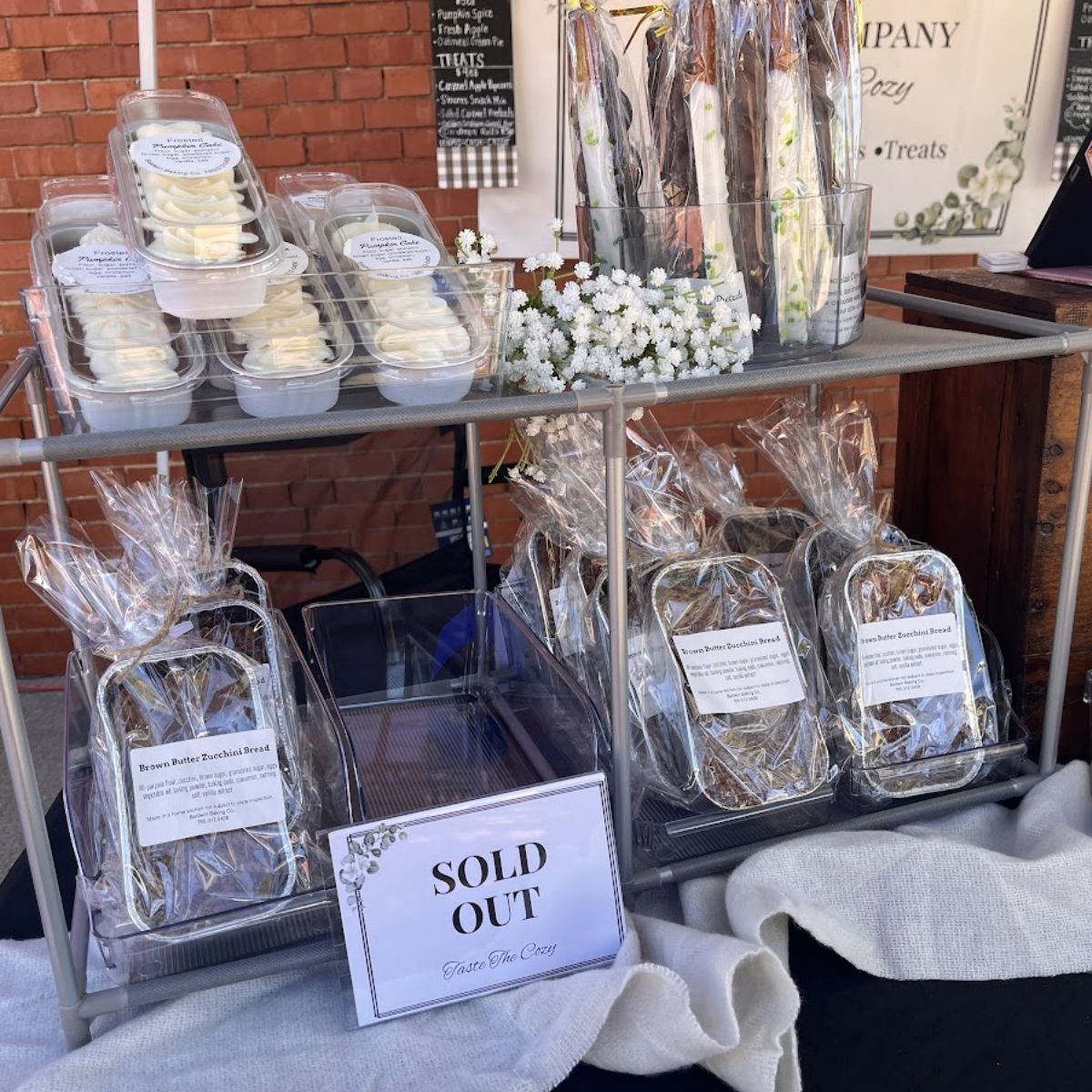
Step 2: Set Up Your Home Kitchen for Food Safety
Your home kitchen must follow basic food safety practices, even if inspections are not required.
That means:
- Using potable water
- Preventing cross contamination
- Keeping pets and young children out of the baking area
- Storing cottage foods properly
- Avoiding foods that require temperature control
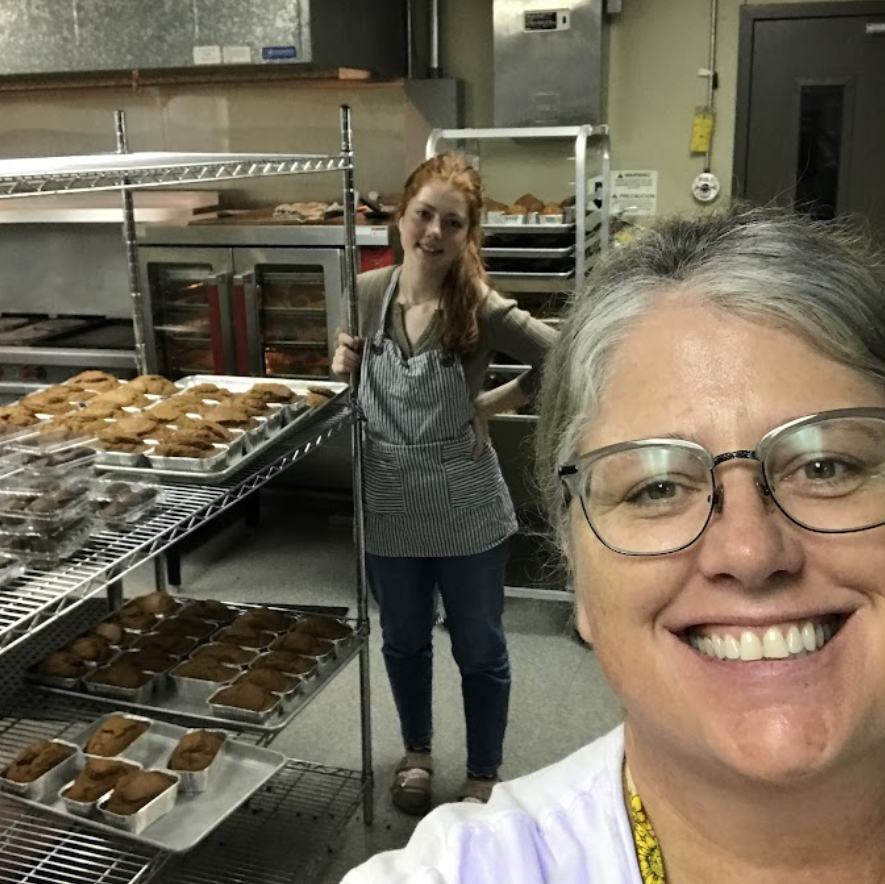
Even though you are operating from a residential area, your kitchen should function like a professional space when you are baking for sale.
If you plan to grow into wholesale, grocery store placement, or retail food establishments, you may eventually need a commercial kitchen. But many cottage food producers operate successfully from home for years.
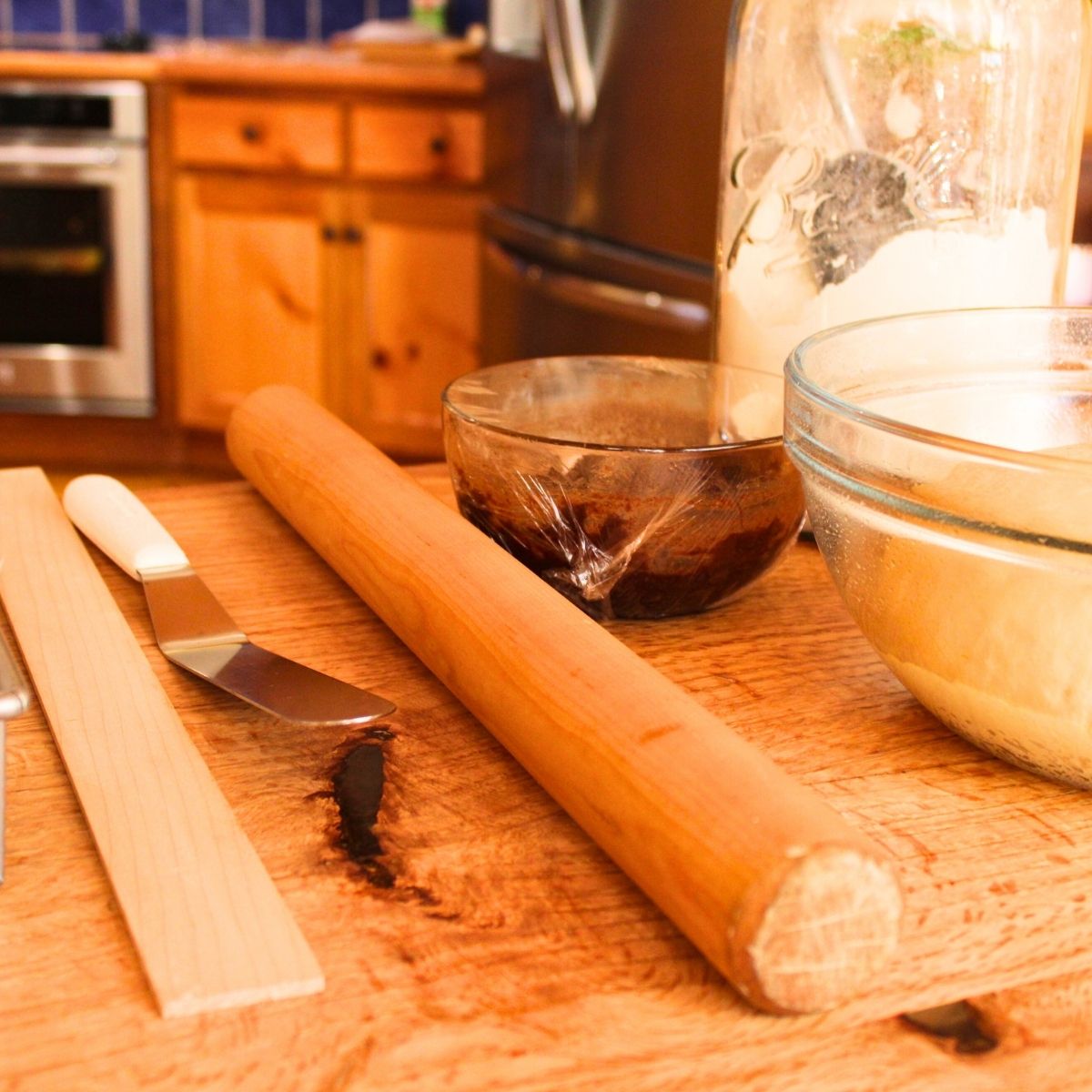
Step 3: Choose the Right Product Line
Your product line should match your state’s acceptable product lists.
Focus on:
- Shelf-stable baked goods
- Products that are safe at room temperature
- Foods that fit within cottage food regulations
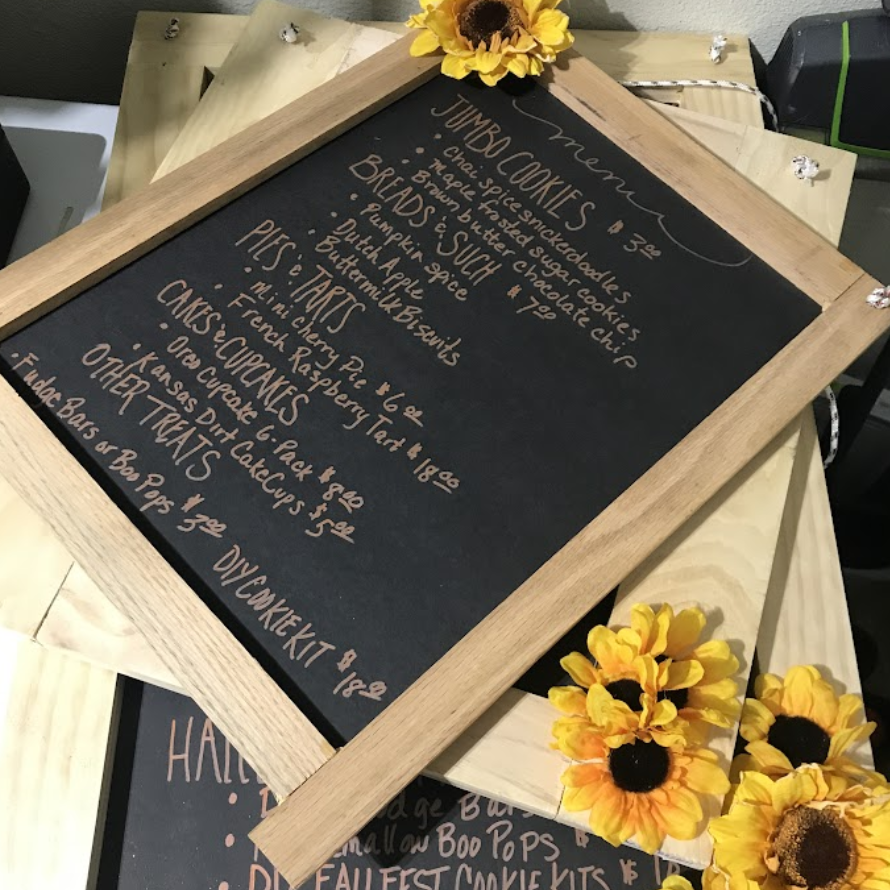
If you are unsure what to sell first, start small.
You can read my guide to building a profitable starter menu here:
Free Menu Writing Guide
If you need help pricing your baked goods correctly, start here:
Pricing Baked Goods
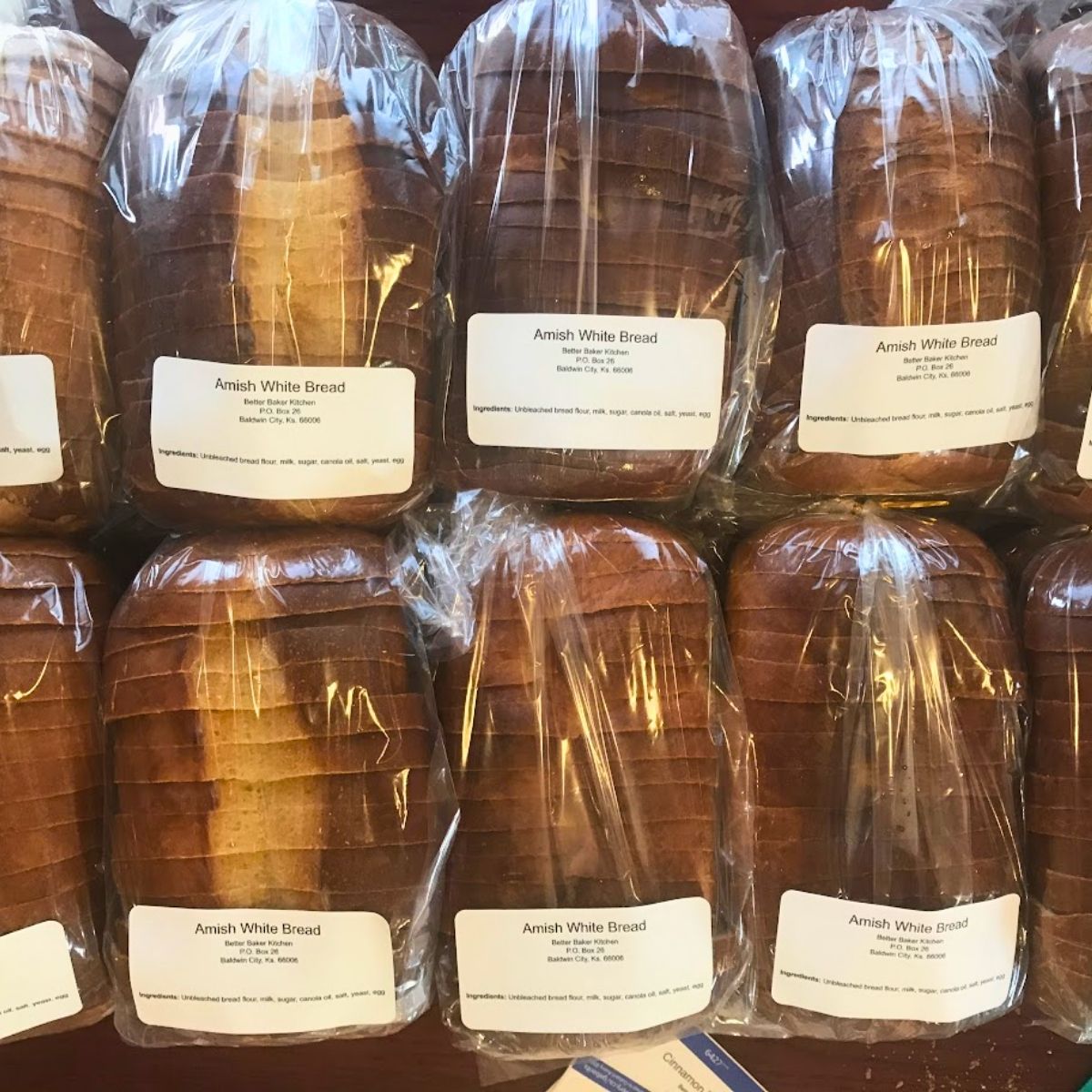
Step 4: Label Your Food Correctly
Every cottage food vendor must include required information on their food label.
Most states require:
- Product name
- Ingredient list
- Allergen disclosure
- Net weight
- Home address
- Registration number if issued
- Required disclaimer statement
Your food label protects you and builds trust with customers.
You can read my full guide to labeling your baked goods here:
Labeling Your Baked Goods
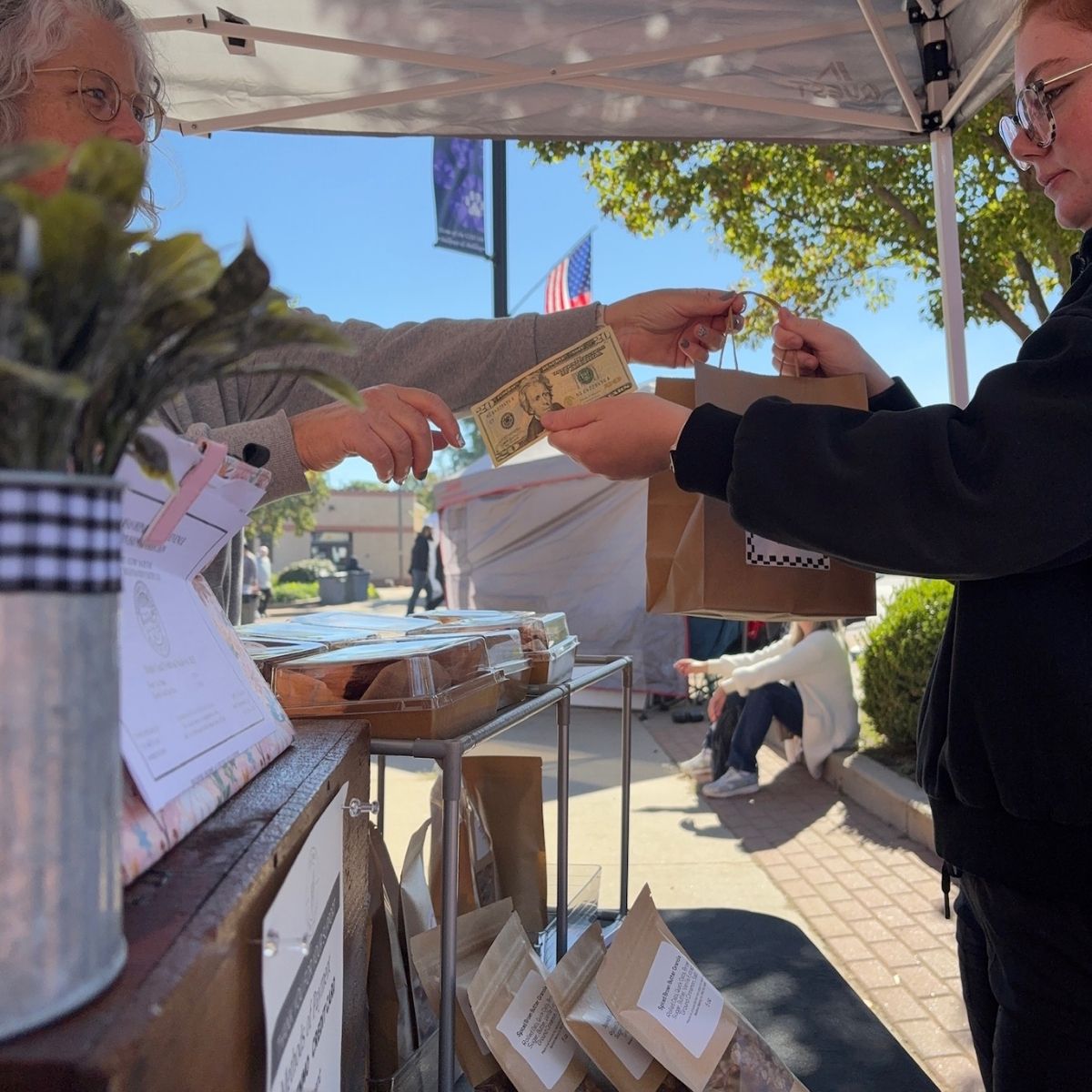
Step 5: Decide Where You Will Sell
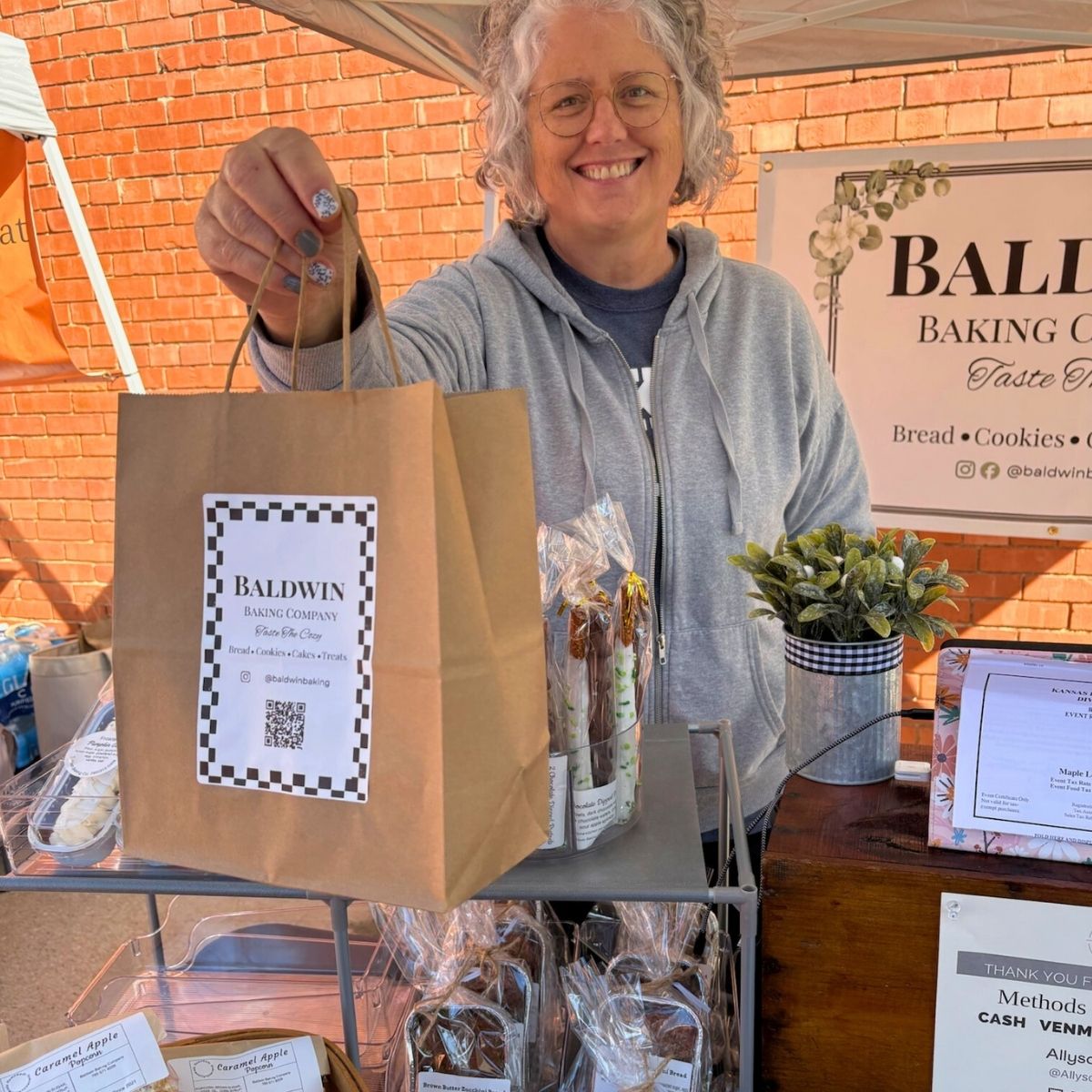
Cottage food businesses often sell through:
- Farmers markets
- Community event pop-ups
- Direct sale from home
- Online sales (if allowed by your state)
Some states allow mail order within state lines. Others limit online store options or shipping across state lines.
Before launching online sales, check your local regulations carefully.
If you want help planning your first market, read:
Complete Guide to Planning Your Pop-Up Bakery
If you want to sell between markets without feeling overwhelmed, read:
How to Run a Bakery Flash Sale
If you want to have customers pick up at your house, read:
How to Set Up a Porch Pick Up
Step 6: Handle Registration and Permits
Depending on your state, you may need:
- A cottage food permit
- A food license
- A sales tax permit
- A registration number
- An inspection report
Some local governments may have additional requirements beyond state cottage food law.
Make sure you verify all required information with your local health department before starting your home-based food business.
Can You Sell to Restaurants and Cafes?
Most cottage food operators cannot sell to grocery stores or retail food establishments without upgrading to a commercial kitchen and meeting higher food service standards.
If your long-term goal includes wholesale or retail store placement, you may eventually need:
- A commercial kitchen
- Additional inspections
- Expanded food license
- Compliance with federal laws
But many home bakers build strong income staying fully within cottage food regulations.
Start Simple and Grow Smart
Selling baked goods from home does not require a massive investment. You just need clear information, smart menu choices, and simple systems.
If you want step-by-step help building your home bakery, pricing your products, planning farmers markets, and setting up sales systems, you can learn more about Bake Better Academy here: