

If you sell baked goods from home, one of the hardest parts is deciding what actually belongs on your menu.
You may have dozens of recipes you could sell, but too many choices can make production harder, increase costs, and overwhelm your customers.
In this guide, I’ll show you how to choose a small, profitable home bakery menu that works for your kitchen, your schedule, and the way you want to sell.
Need ideas for what to sell first? Start with my Best Baked Goods to Sell From Your Home Bakery
Why a Smaller Home Bakery Menu Works Better
When you first start selling, it can be tempting to offer everything you know how to bake.
But every new product adds more ingredients, more packaging, more prep, and another thing to keep track of.
For most home bakeries, starting with three to five core products is plenty.
A smaller menu can help you:
- buy fewer ingredients
- reduce waste
- batch your baking
- simplify packaging
- keep your quality consistent
- make pricing easier
- create content more easily
- become known for a few signature products
You can still offer variety without adding a completely different product.
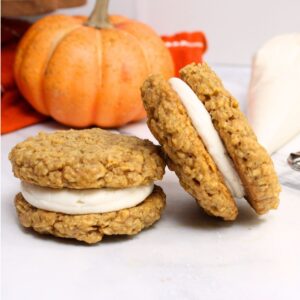
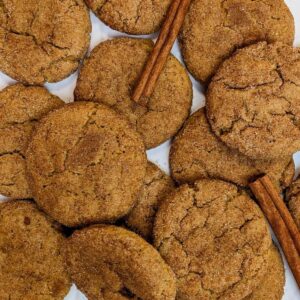
For example, one cookie dough can give you several flavors. Cinnamon rolls can rotate seasonally. Oatmeal cream pies can have a pumpkin version in the fall.
The goal is not to offer less forever. The goal is to start with a menu you can actually manage.
Start With 3 to 5 Products You Want to Be Known For
Start by choosing a few products that you would be happy to make over and over again.
They don’t all have to be your fanciest recipes.
In fact, some of the best bakery products are the ones that are simple to make, easy to package, and easy for customers to understand.
When you’re deciding what makes the cut, ask:
- Do people like it?
- Can I make it consistently?
- Is it profitable?
- Does it package well?
- Can I make several at one time?
- Does it fit the type of bakery I want to run?
If you’re still looking for ideas, my Best Baked Goods to Sell From Your Home Bakery is a good place to start.
Choose Products That Work Well Together
Don’t look at every product on your menu by itself.
Look at what happens when you have to make all of them in the same week.
A smart home bakery menu often includes products that share ingredients, equipment, packaging, or production steps.
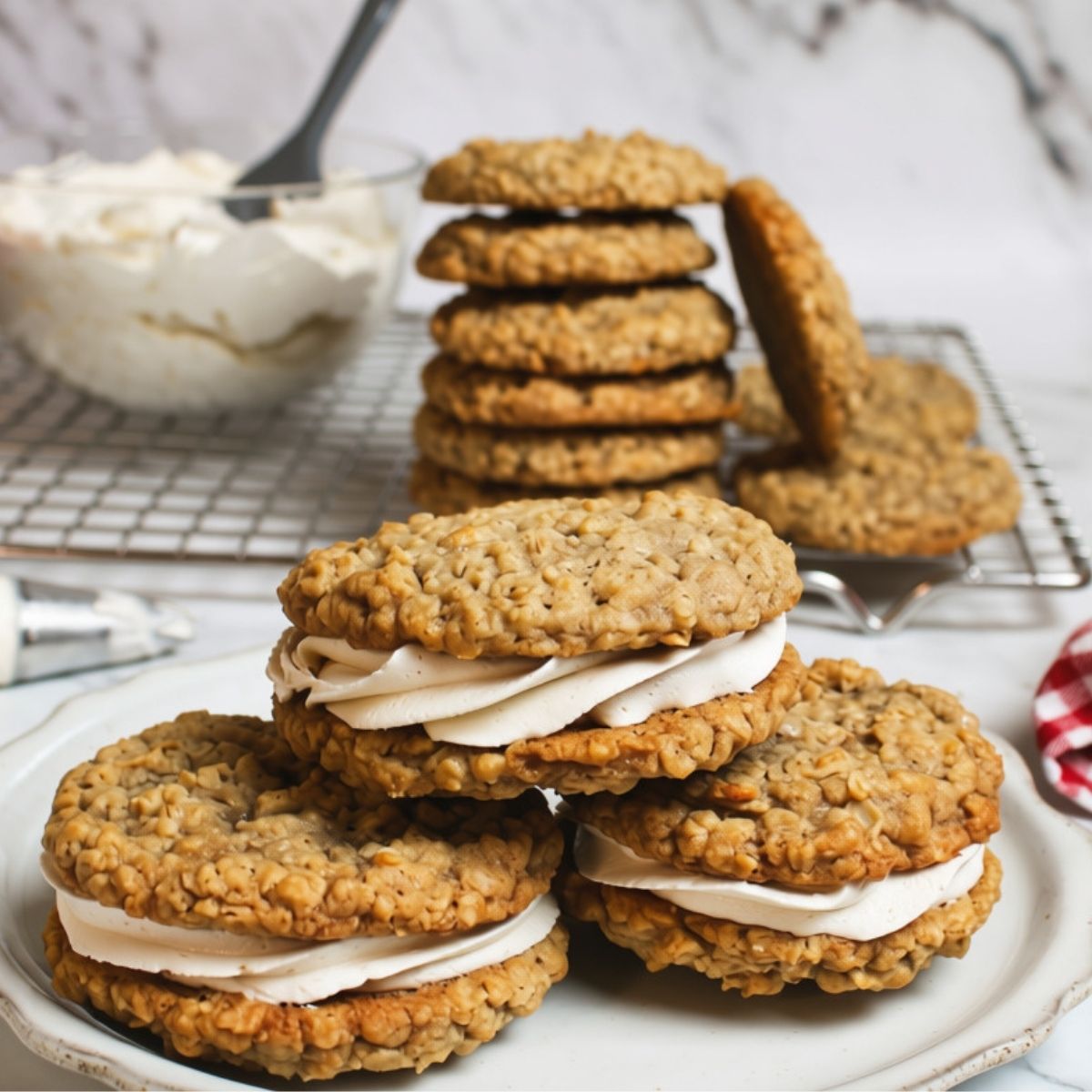
For example, oatmeal cream pies can be a great seller.
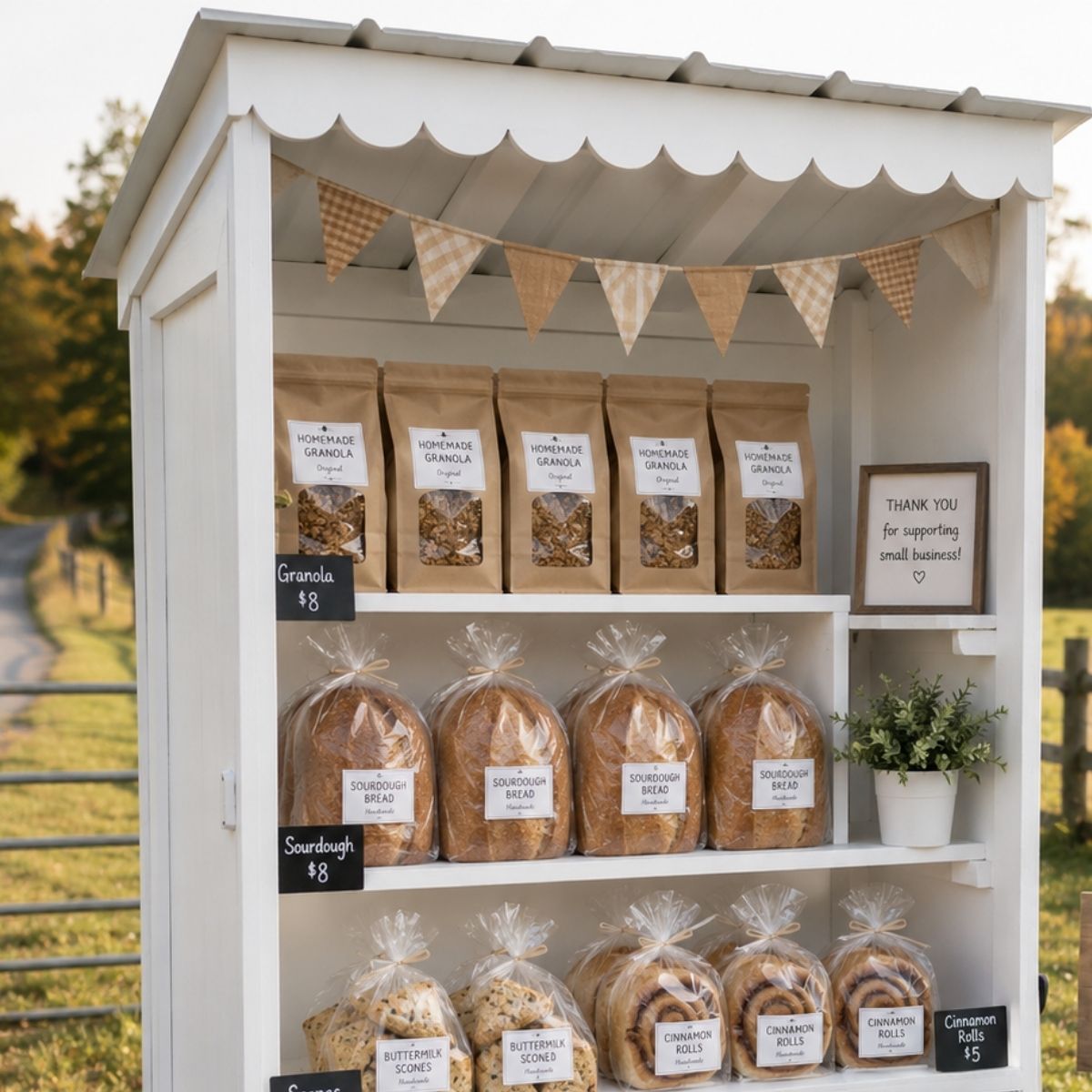
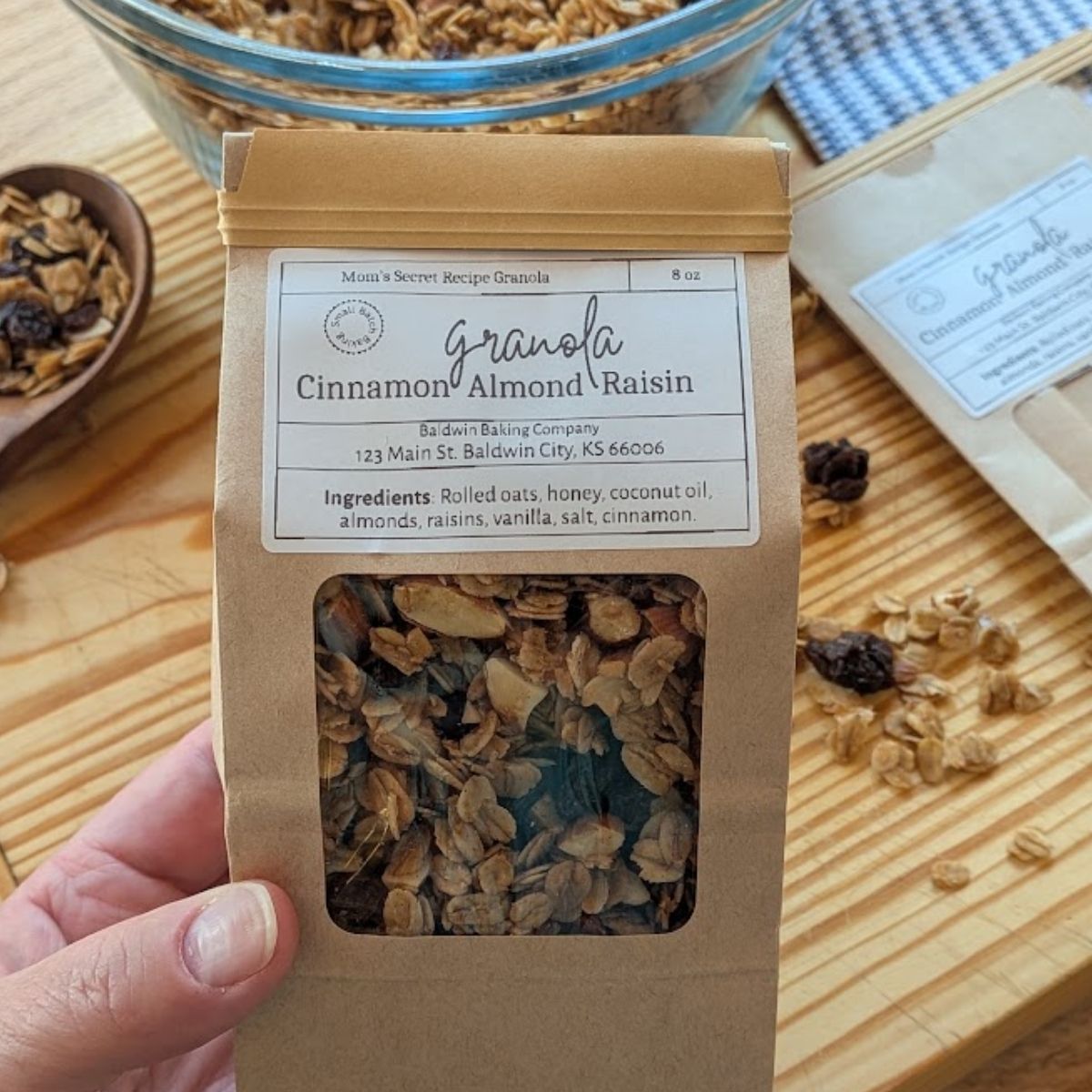
If you’re already keeping rolled oats in stock for oatmeal cream pies, granola might be a smart product to add too.
You already have one of the main ingredients in your kitchen. Granola can also be made ahead and has a much longer shelf life than a freshly baked dessert.
Before adding a new product, ask:
- Does it use ingredients I already buy?
- Does it require completely different equipment?
- Does it need special packaging?
- Can I make it alongside my other products?
- Will it simplify my production or make it harder?
The more your products work together, the easier it is to keep your kitchen organized and your ingredient inventory under control.
Balance Fresh, Make-Ahead, and Longer Shelf-Life Products
Another thing to think about is when the work has to happen.
If everything on your menu has to be mixed, baked, decorated, and packaged the morning of pickup, even a small order day can become stressful.
Try to balance your menu with a mix of products that have different production timelines.
That could include:
- products that are best baked fresh
- products you can prep ahead
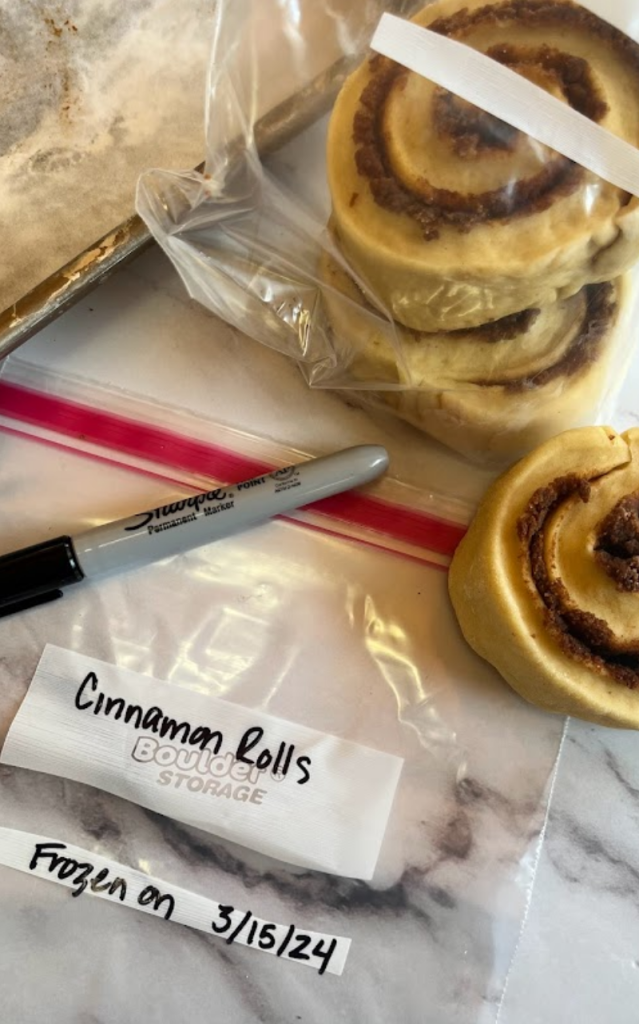
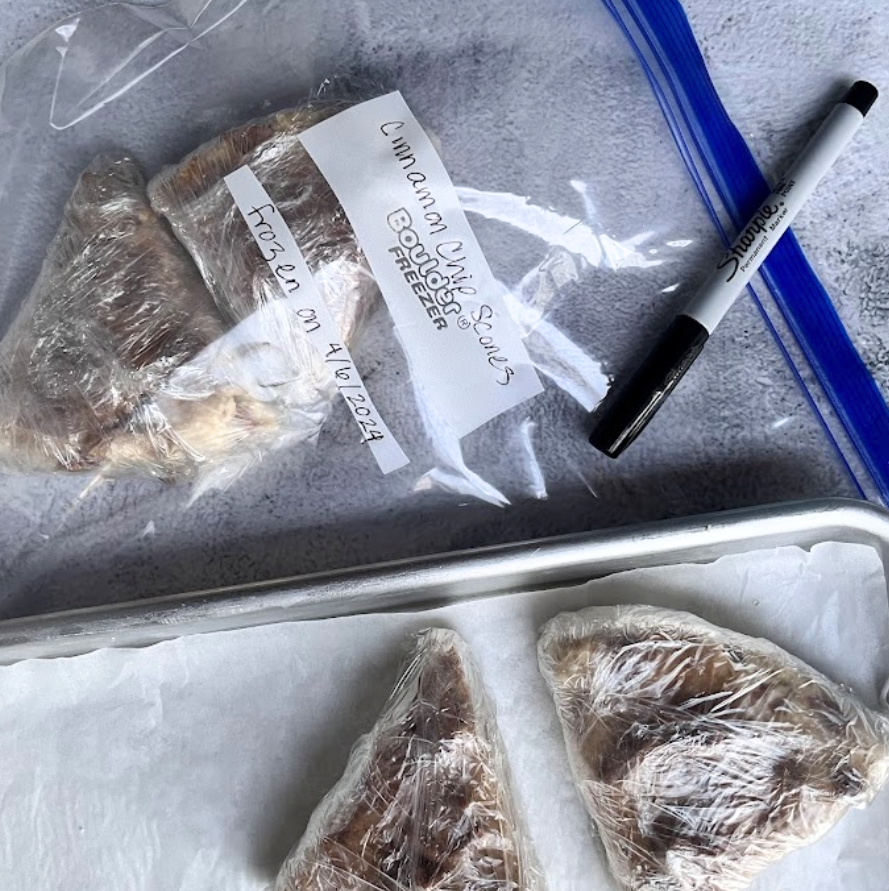
- products that freeze well
- products with a longer shelf life
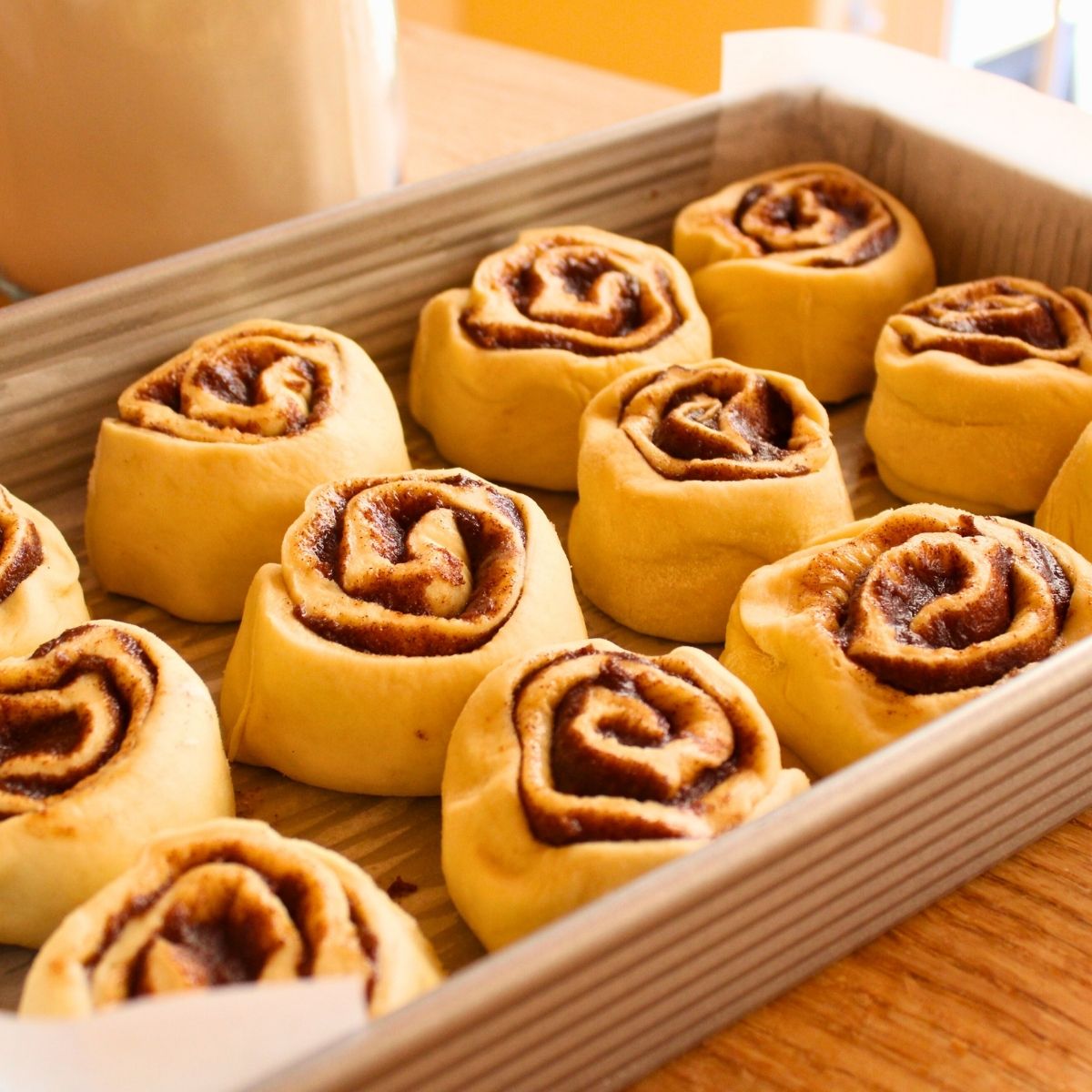
Maybe your cinnamon rolls are baked fresh for Saturday pickup.
At the same time, your cookie dough can be portioned and frozen earlier in the week. Granola can be baked and packaged ahead of time.
That gives you more control over your schedule.
My Ultimate Guide to Freezing Baked Goods can help you decide what to freeze and whether it’s best frozen before or after baking.
You can also browse my Shelf-Stable Recipes for products that can make your bakery menu easier to manage.
Pay Attention to Kitchen Time and Production
Two products can have the same selling price and take completely different amounts of work.
Before you add something to your menu, think about the entire process.
How much time will you spend:
- mixing
- chilling or proofing
- baking
- cooling
- decorating
- packaging
- cleaning up
A custom decorated item might keep you busy for hours.
A batch of cookies, granola, or quick breads may let you produce several orders at the same time.
That doesn’t mean you should never sell labor-intensive products.
It just means you probably don’t want every item on your menu to require the same amount of hands-on work.
A good menu doesn’t just look good to customers. It has to work on your busiest baking day.
Let Your Best Sellers Help Shape Your Menu
You don’t have to know your perfect niche before you start.
Sometimes your customers will help you figure it out.
Pay attention to:
- what sells out
- what people reorder
- what customers tell their friends about
- what people ask you to make again
- what is easiest for you to produce profitably
If one item becomes the thing people associate with your bakery, give it a permanent place on the menu.
You can test other ideas as seasonal specials or limited-time products before making them permanent.
This is one reason I like starting with a smaller menu.
You have room to experiment without constantly changing everything you offer.
Make Sure Every Product Is Profitable
A product can be popular and still be a poor choice for your menu.
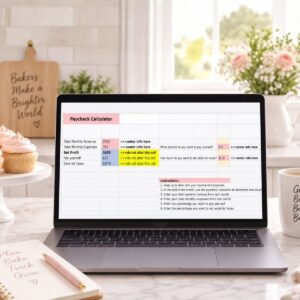
Before you commit to selling something regularly, make sure you know what it costs you to make.
At a minimum, look at:
- ingredients
- packaging
- labor
- selling price
- profit
You may find that a product with inexpensive ingredients takes too much time to make.
Or you may have a simple product that is inexpensive to produce and leaves you with a much better profit.
That’s the kind of information that helps you decide what deserves a permanent spot on your menu.
If you need help with the numbers, my Pricing Baked Goods: A Guide to Charging What You’re Worth walks you through the full pricing process.

Use Seasonal Specials Without Making Your Menu Huge
You don’t need every flavor available all year.
A simple way to keep your menu interesting is to have a small core menu and rotate one or two seasonal products.
For example:
Core Menu
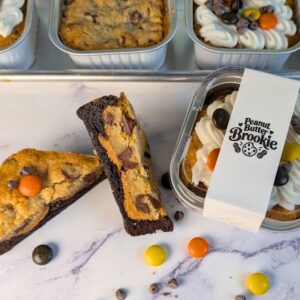
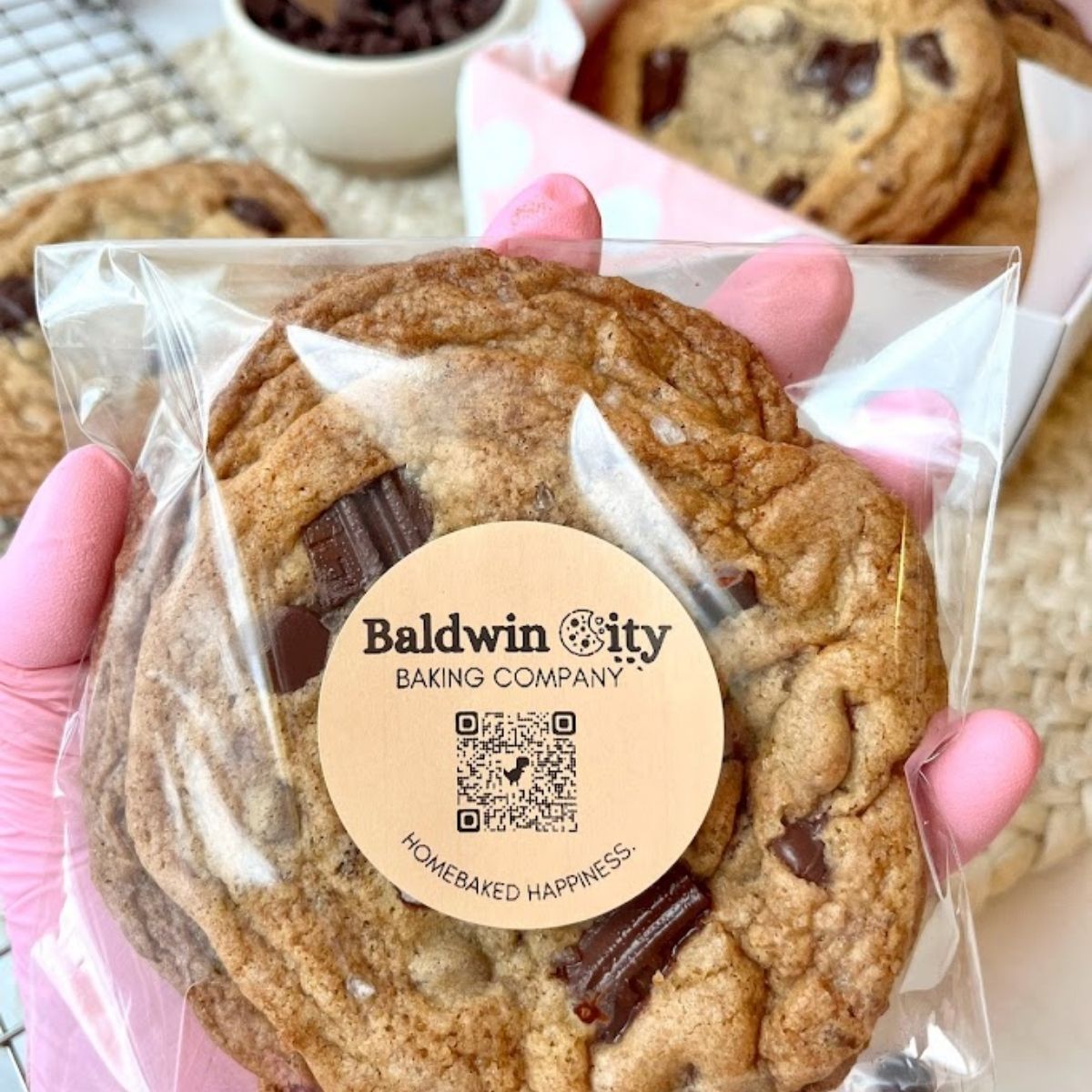
- Bakery-style chocolate chip cookies
- Oatmeal cream pies
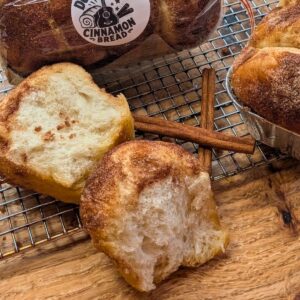
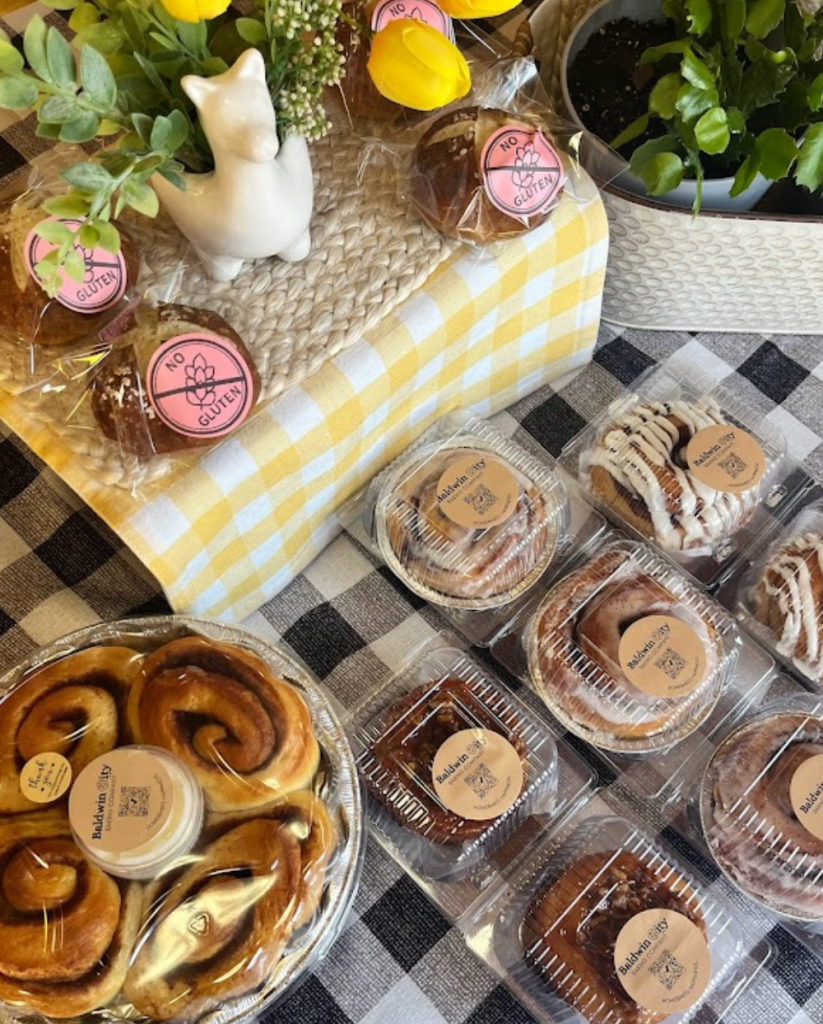
- Cinnamon rolls
Fall Special
- Pumpkin oatmeal cream pies
Holiday Special
- Peppermint chocolate cookies
Seasonal specials give customers something new to look forward to without forcing you to maintain a huge permanent menu.
They also give you something easy to promote on social media throughout the year.
Make Your Menu Easy for Customers to Understand
Once you know what you’re selling, your actual menu should be simple to read.
For each product, include:
- product name
- a short description if needed
- size or quantity
- price
- ordering instructions
- pickup information
Group similar products together so customers can quickly understand what you offer.
You can create your menu in Canva, an online ordering platform, or even as a simple graphic for social media.
The design matters, but clarity matters more.
Customers should be able to look at your menu and quickly understand:
What can I buy? How much is it? How do I order it?
A Simple Home Bakery Menu Example
Here’s an example of a small menu that gives you variety without becoming difficult to produce.
Cookies
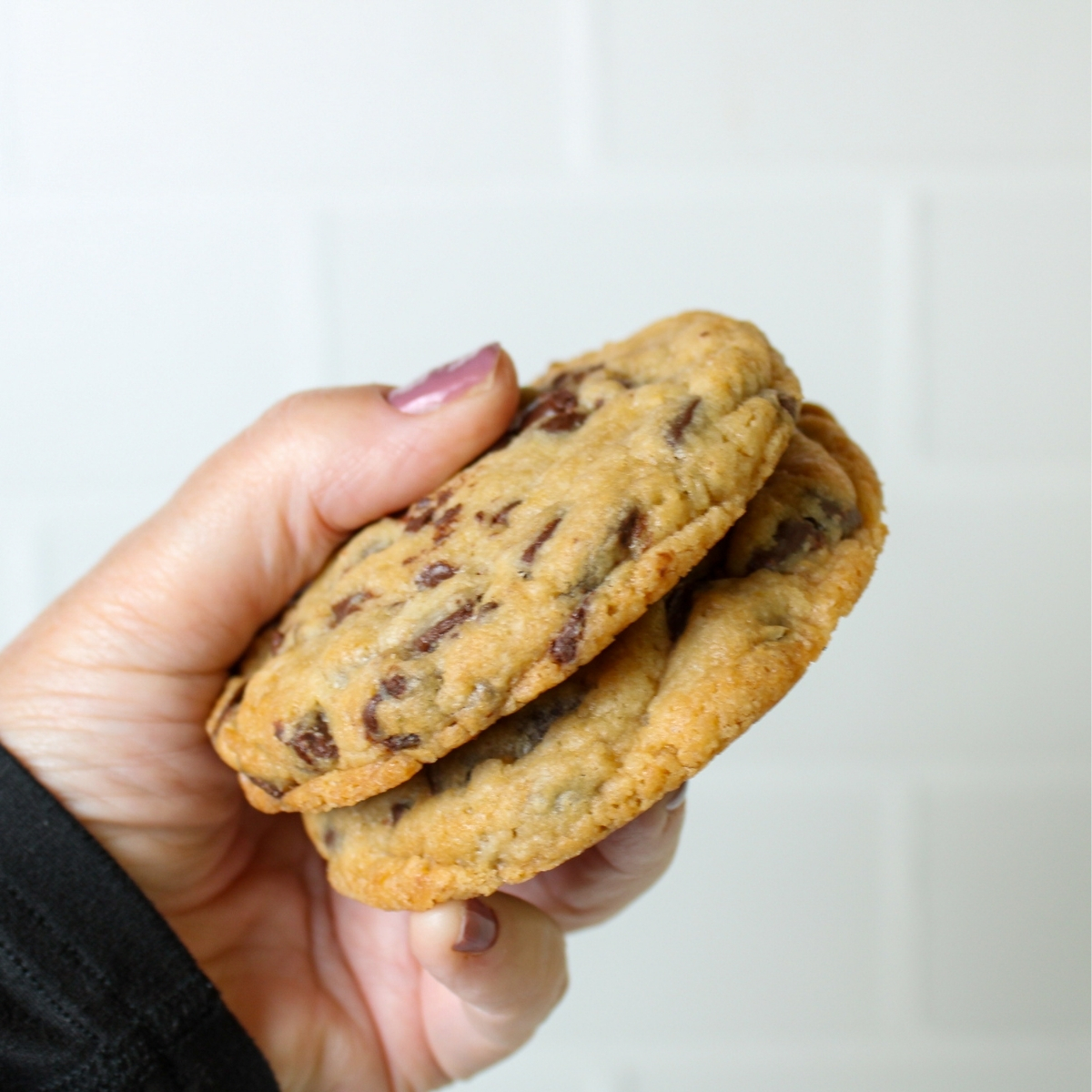
Bakery-Style Chocolate Chip Cookies
A reliable customer favorite that can be batched and portioned ahead.
Seasonal Cookie Flavor
One rotating flavor to keep the menu fresh.
Signature Product
Oatmeal Cream Pies
A memorable product that can help your bakery stand out.
Breakfast
Cinnamon Rolls
A fresh-baked item that works well for weekend pickups and special occasions.
Make-Ahead Item
Granola
A longer shelf-life product that can be made and packaged ahead.
This menu gives you:
- a recognizable bakery favorite
- a signature product
- a fresh-baked item
- a make-ahead product
- different production timelines
- some ingredient overlap
- room for seasonal variety
You don’t need these exact products.
The point is to build a menu where everything has a reason to be there.
Before You Add Something to Your Menu, Ask These Questions
Whenever you’re tempted to add another product, run it through this list first.
- Does it sell?
- Is it profitable?
- Can I make it consistently?
- Can I make several at one time?
- Does it share ingredients or equipment with other products?
- Can I prep any part of it ahead?
- How long does it stay fresh?
- Is the packaging practical?
- Does it fit what I want my bakery to be known for?
- Is it worth the kitchen time it requires?
If you can answer yes to most of those questions, it may be a good addition to your menu.
If not, it might be better as a seasonal special or something you only make by request.
What to Do Next
A good home bakery menu doesn’t have to be big.
It needs to work for your customers, your kitchen, and your bottom line.
Start with a few products. Pay attention to what sells. Look for ways to make production easier. Then add new items slowly and intentionally.
Still deciding what you should sell?
Start with my Best Baked Goods to Sell From Your Home Bakery and use it to narrow down your starter menu.
Once you’ve chosen your menu, your next step is making sure those products are priced for profit.
Read my Pricing Baked Goods Guide to keep going.
Sweta Dutta says
Interesting post! Creating the bakery menu is quite an important part of the bakery business, which is often overlooked.
Better Baker says
Hi Sweta, thanks so much for visiting my blog. I hope you found the information helpful!