




Starting a home bakery can feel exciting one minute and overwhelming the next.
You may already have a recipe everyone loves. Then you start thinking about permits, packaging, pricing, and marketing. Suddenly, your simple baking idea feels like a very big project.
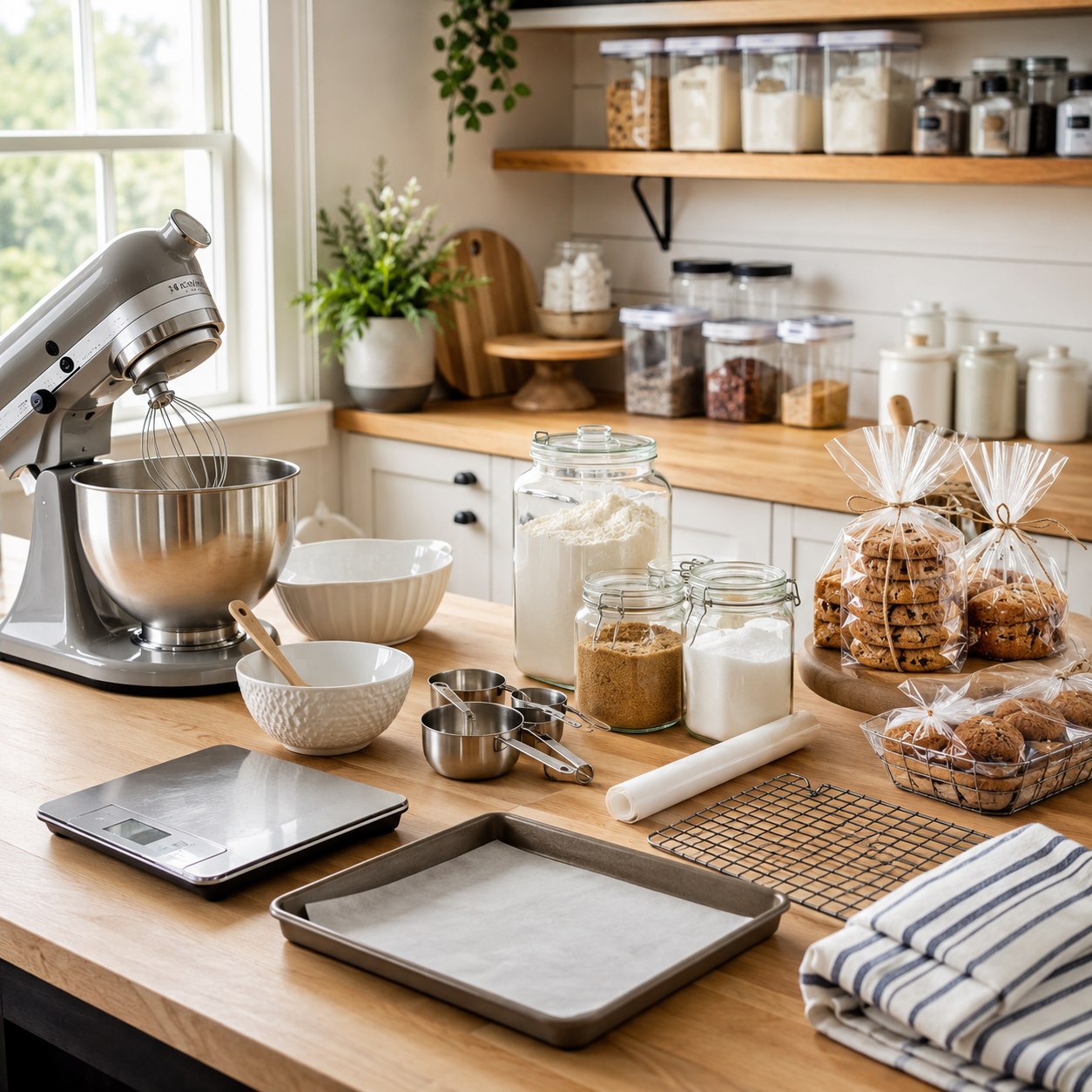
I started my baking business in a home kitchen before moving into commercial bakery spaces. The good news is that you do not need a storefront or a huge budget. You need a clear plan and the right first steps.
This home bakery startup checklist will help you move from “I want to sell my baked goods” to “I am ready to take my first order.”
Important: This guide is for educational purposes. Food laws, taxes, zoning rules, and licensing requirements vary. Confirm the current rules with your state and local government before selling food.
What Is a Home Bakery?
A home bakery is a small baking business operated from a private home. You may also hear it called a home-based bakery, cottage bakery, or micro bakery business.
Most home bakers sell directly to local customers through preorders, porch pickup, farmer’s markets, or pop-up sales. This differs from a retail or wholesale bakery.
Cottage food laws may limit what you can make and where you can sell. That is why your first step is learning what you are legally allowed to do.
Your Home Bakery Startup Checklist
- Check your state and local food laws.
- Choose your home bakery business model.
- Identify your target market.
- Select a small starter menu.
- Test and standardize your recipes.
- Write a simple business plan.
- Estimate your startup costs.
- Choose a business name and structure.
- Organize your home kitchen.
- Gather essential equipment.
- Choose packaging and labels.
- Price your baked goods for profit.
- Create an ordering and pickup system.
- Build a simple marketing strategy.
- Plan a small launch.
Now let’s turn each item into an action you can complete.
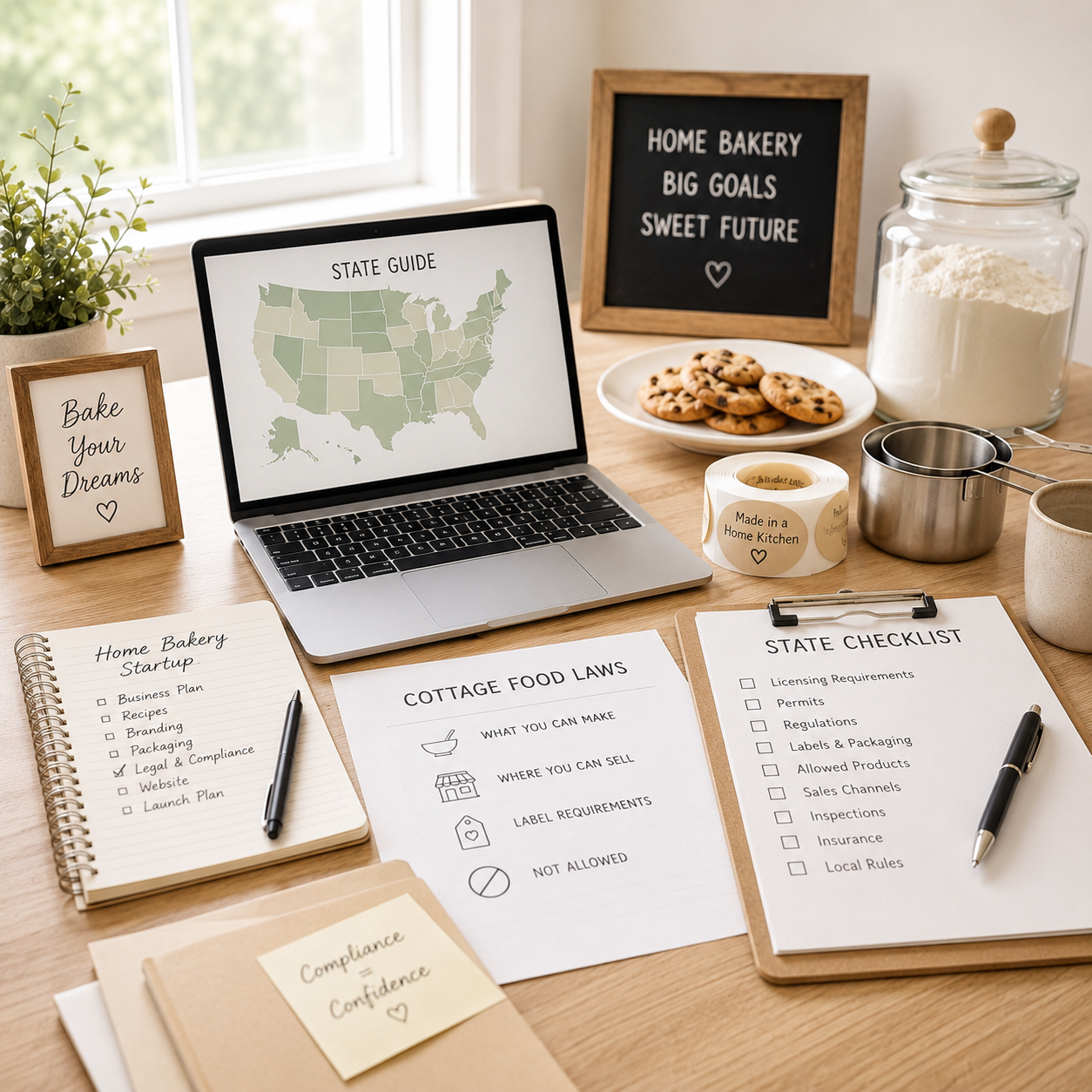
1. Check Your State’s Cottage Food Laws
Before you sell anything, research the legal requirements for a home-based food business in your area.
The FDA advises home-based food businesses to learn the rules that apply through federal, state, and local health authorities. State and local agencies may handle permits, inspections, food safety training, and approved sales methods.
Check allowed foods, label requirements, sales limits, approved sales locations, online sales rules, food safety training, permits, and zoning.
Do not assume another baker’s rules apply to you. Requirements can vary by state, county, and city. Contact your state agriculture department, health department, or local government when the answer is unclear.
Many programs focus on foods that do not require temperature control for safety. Cookies and breads may be allowed, while cheesecakes or custards may require a commercial kitchen. Your regulating agency makes the final decision.
2. Choose Your Bakery Business Model
Decide how you want customers to buy from you.
You might offer weekly preorders, custom cakes, bread subscriptions, farmer’s market products, holiday menus, or monthly pop-up sales.
Choose a model that fits your schedule, space, and family life. A focused model is easier to manage and grow.
For example, a preorder bakery can post a menu on Monday, close orders Thursday, and offer Saturday pickup.
You do not have to accept every type of order. In fact, saying yes to everything can make your baking business harder to manage.
Start with one sales method. You can always add more as your customer base grows.
3. Identify Your Target Market
Your target market is the group most likely to buy your products.
“Anyone who likes baked goods” is too broad. Instead, picture a specific customer.
You might serve busy parents who need birthday treats, offices ordering breakfast pastries, families buying weekend cinnamon rolls, or customers looking for gluten-free desserts.
Think about what they value, such as convenience, beautiful decorating, allergy-friendly choices, or nostalgic homemade food.
Look at local businesses, community groups, markets, and other home bakeries. Notice where there may be a gap.
You do not have to create something completely new. You simply need to give your local customers a good reason to choose your bakery.

4. Select a Small Starter Menu
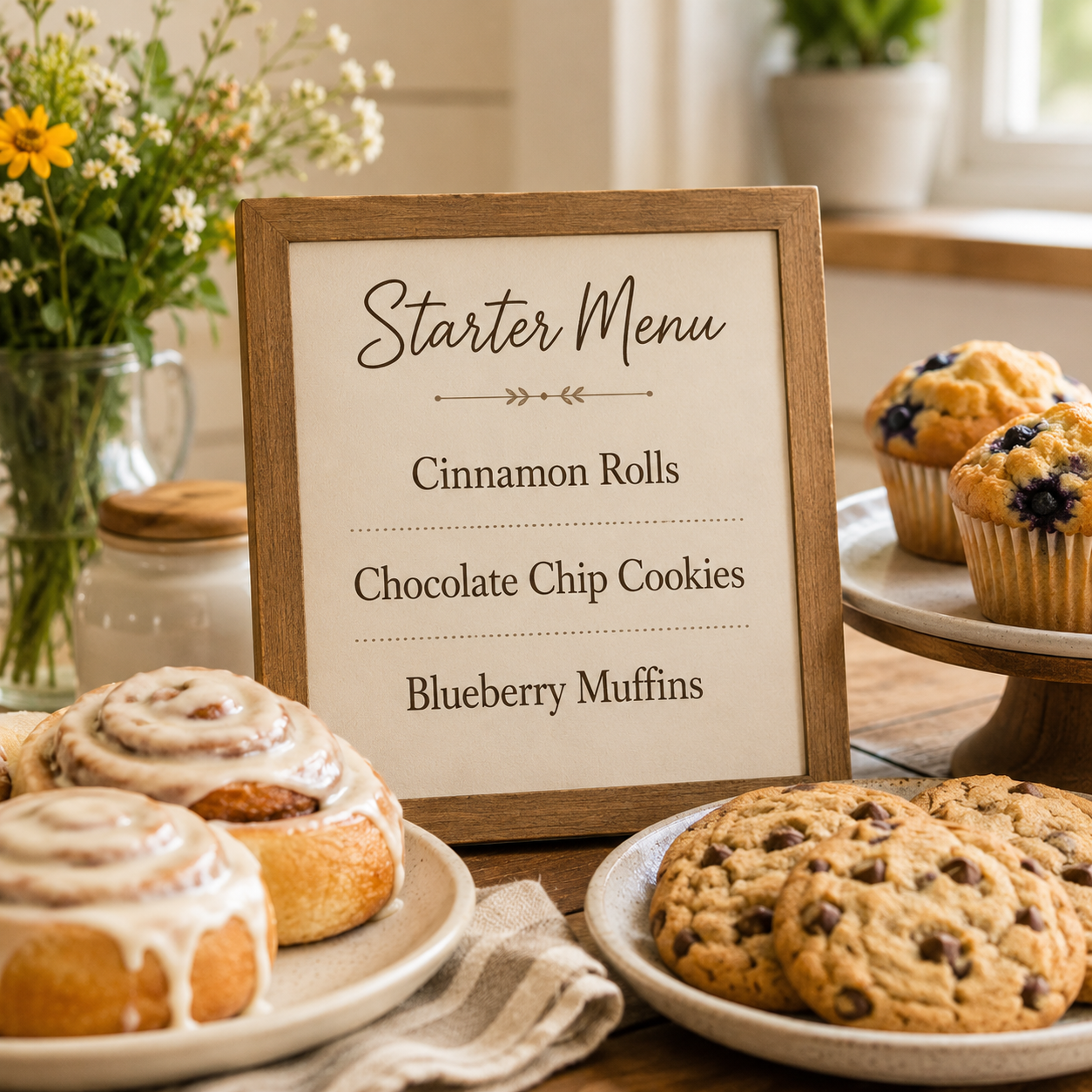
Begin with three to five products.
A small menu helps you buy ingredients efficiently, control ingredient costs, use fewer types of packaging, and create a smoother baking schedule. It also gives customers a clear idea of what your bakery does best.
Choose baked goods you enjoy making and can produce consistently. They should fit your state’s rules, be easy to transport, and still taste good after a day or two.
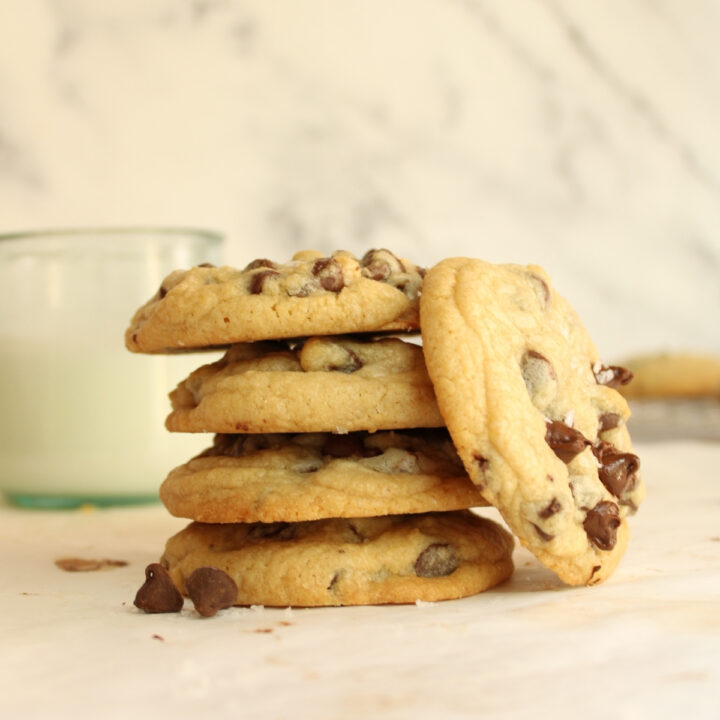
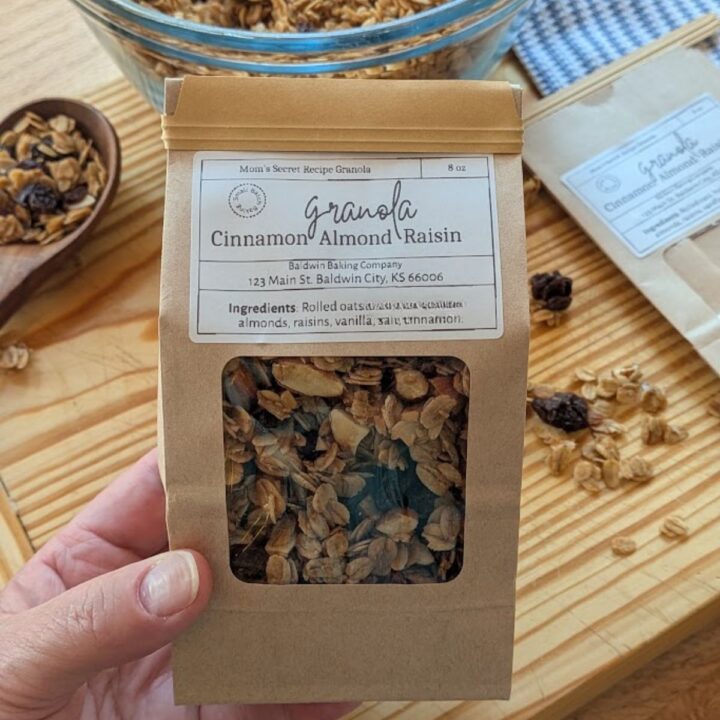
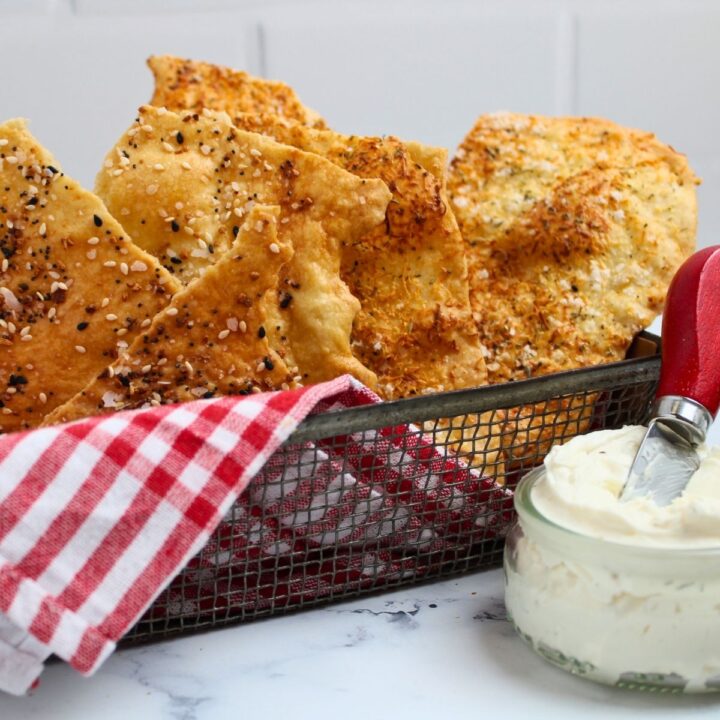
Cookies, brownies, quick breads, cinnamon rolls, granola, scones, and focaccia may be good options, depending on your local rules.
Don't add an item only because it is popular online. It also needs to work in your home kitchen and appeal to your local customer base.
Consider starting with one signature product. This is the item you want people to think of when they hear your business name.
Your signature item could be a thick chocolate chip cookie, a soft cinnamon roll, a decorated sugar cookie, or a loaf of artisan bread.
Read More: What to Put on Your Bakery Menu
5. Test and Standardize Your Recipes
A recipe that works for your family may need more testing before it becomes a business product.
Bake each recipe several times. Use the same ingredient brands, pan sizes, portion sizes, oven temperature, and baking time.
Record:
- Ingredient amounts
- Batch yield
- Portion size
- Baking temperature and time
- Packaging method
- Shelf life
- Storage instructions
- Allergens
A digital kitchen scale is one of the best tools for a home-based bakery. Weight measurements improve consistency and make recipe costing easier.
Also test the product after one, two, and three days. Your customer may not eat it as soon as you would at home.
Ask a few trusted people to test the finished product. Do not only ask whether they liked it. Ask about sweetness, texture, portion size, packaging, and how much they would realistically pay.
6. Write a Simple Bakery Business Plan
You don't need a forty-page bakery business plan. A simple business plan can fit on one or two pages. Answer these questions:
- What will I sell?
- Who will buy it?
- How will customers order?
- Where will I sell?
- How often will I bake?
- What will I charge?
- What makes my bakery different?
- How will customers find me?
This plan gives your new business direction and helps you avoid unnecessary spending.
Your plan can change as you learn more about your customers. The purpose is not to predict everything perfectly. It is to help you make better first decisions.
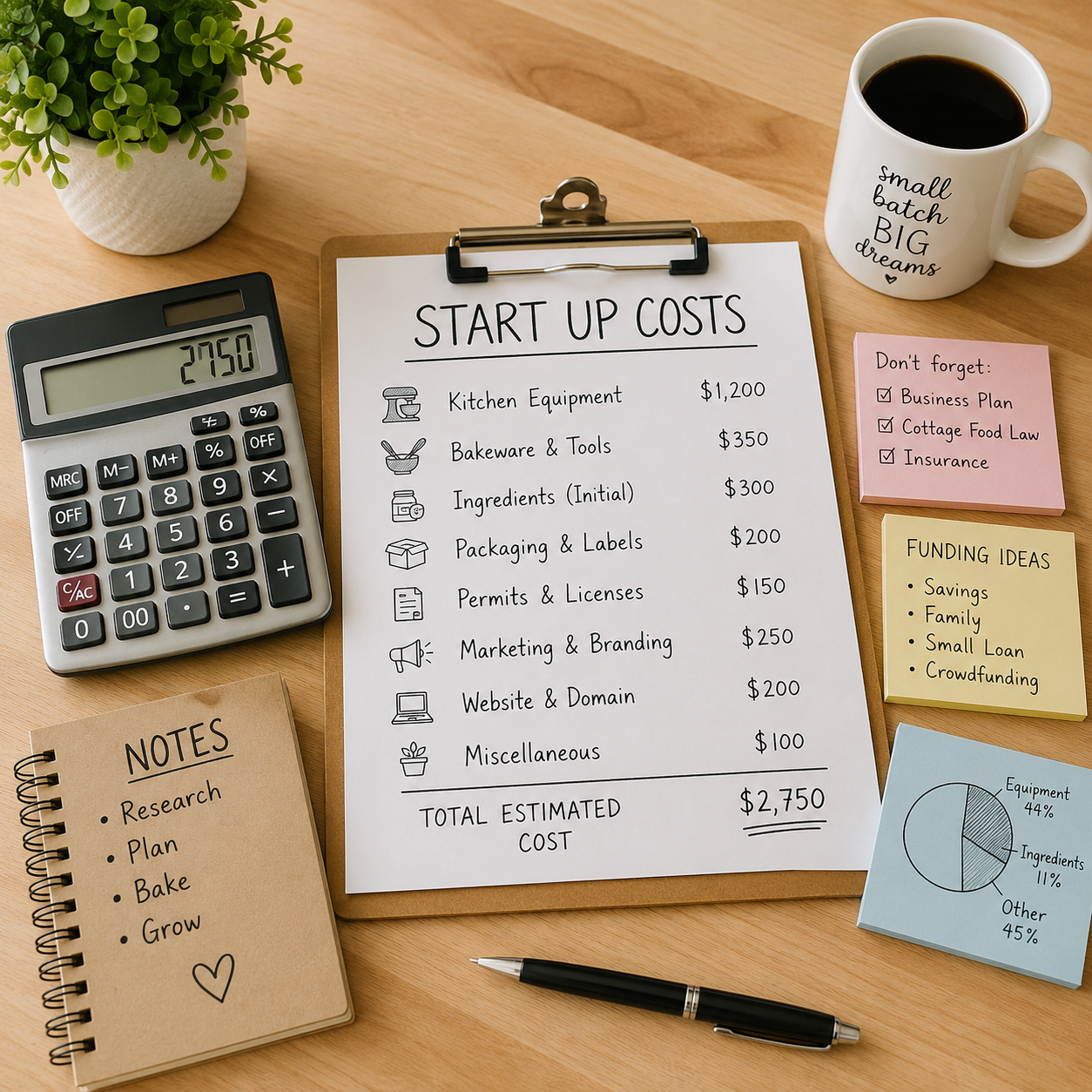
7. Estimate Your Startup Costs
Home bakery startup costs can be fairly low when you use equipment you already own.
List your expected expenses, including:
- Permits and licenses
- Business insurance
- Food safety training
- Ingredients
- Packaging
- Labels
- Market or event fees
- Ordering software
- Baking equipment
- Marketing materials
Then divide the list into two groups.
Must Have Now
These are items required to make and legally sell your first products.
Can Buy Later
These are upgrades that may save time once sales grow.
You may already have a good oven, mixer, bowls, pans, and cooling racks. Most home bakers don't need commercial ovens or expensive equipment for their first sale. Versatile tools are usually the best place to start.
Keep some working capital for ingredients, boxes, labels, and unexpected expenses. Try not to spend your entire budget before you make your first sale.
8. Choose a Business Name and Structure
Choose a business name that is easy to spell, remember, and search.
Check whether the name is already used in your state and on major social platforms before ordering labels or business cards.
Next, choose a business entity. Many small businesses begin as a sole proprietorship. Others form a limited liability company, or LLC.
Your structure can affect taxes, paperwork, and liability. The SBA recommends choosing a structure before registering and explains that each option has different legal and tax effects.
You may also need:
- A business license
- Sales tax registration
- A home occupation permit
- Business insurance
- A separate business bank account
You may need an Employer Identification Number. Apply directly through the IRS. EINs are free.
Ask a qualified accountant, attorney, or small-business adviser for help when needed.
9. Organize Your Home Kitchen
You don't need a perfect kitchen, it just needs to be clean and organized.
Choose where you will store ingredients, packaging, finished products, labels, and tools. Use airtight containers and keep packaging protected from moisture, pets, and household traffic.
Make sure you can mix, bake, cool, package, and label without constantly moving everything.
A simple workflow helps:
Ingredients → Mixing → Baking → Cooling → Packaging → Pickup
You may need additional storage space as your baking business grows. Shelves, ingredient bins, and rolling carts can help without taking over the entire kitchen.
Keep personal groceries and business ingredients separate when possible. This makes inventory easier to track and helps you see how much each product really costs.
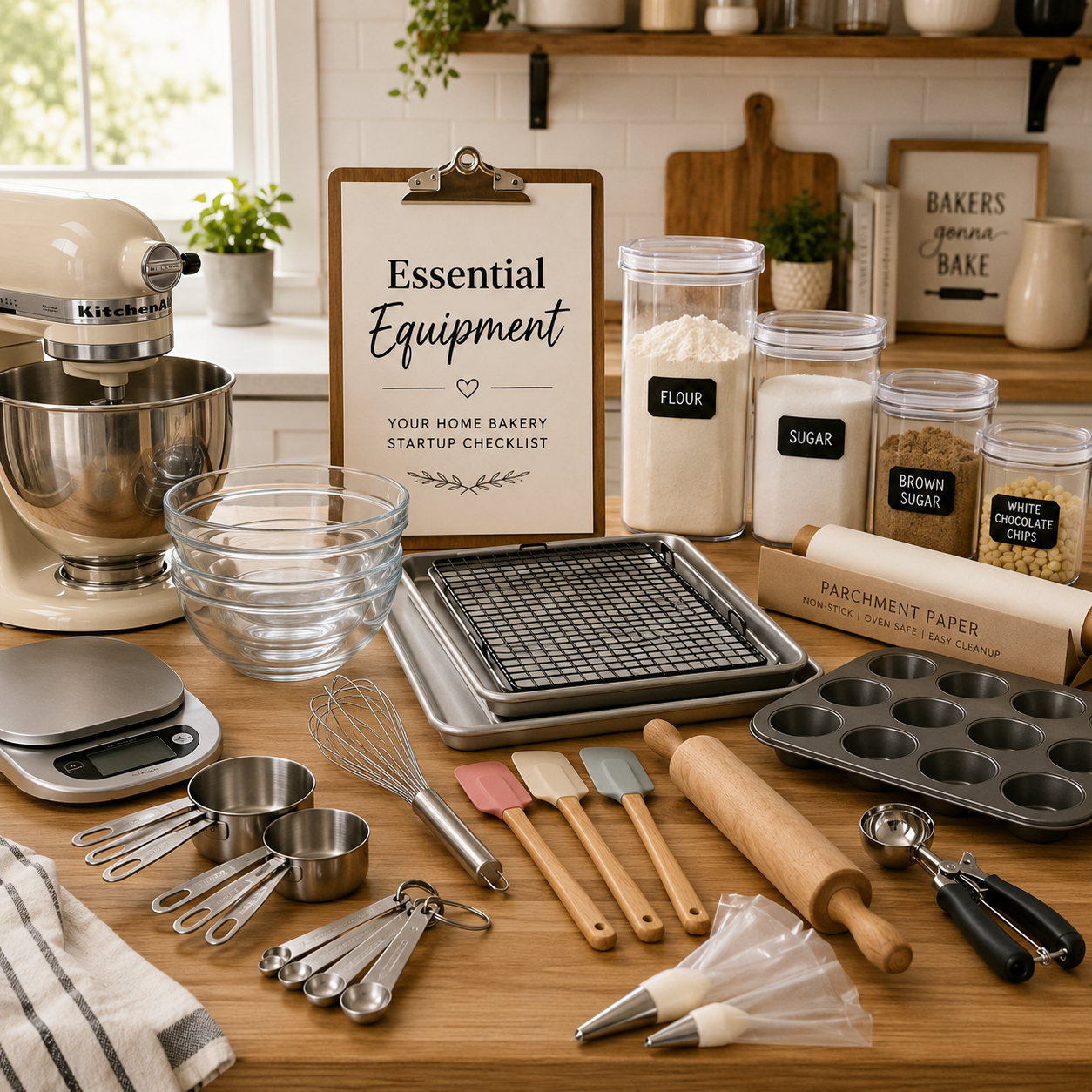
10. Gather Essential Equipment
The right tools improve consistency, but more equipment does not guarantee a successful bakery.
Start with:
- Digital kitchen scale
- Oven thermometer
- Sheet pans
- Versatile baking pans
- Mixing bowls
- Hand or stand mixer
- Cooling racks
- Portion scoops
- Spatulas and whisks
- Bench scraper
- Food-safe storage containers
- Labels or a label printer
Let your menu determine what you buy.
A bread baker needs different tools than a custom cake baker. A cookie business may benefit from extra sheet pans and portion scoops. A cake business may need turntables, piping tips, cake boards, and sturdy boxes.
Avoid buying every gadget recommended on social media. Buy equipment when it solves a real problem or helps you produce more efficiently.
Read More: Supplies You Need to Start a Home Bakery Business
11. Choose Packaging, Labels, and Food Safety Systems
Packaging should protect your baked goods, fit the product, and make pickup easy.
Test a few boxes or bags before ordering a large quantity. Make sure the product fits without sliding, sticking, or getting crushed.
Labels may need your business and product names, ingredients, allergens, net weight, contact information, and a cottage food statement. The exact wording depends on your location.
Wash hands properly, clean work areas, prevent allergen cross-contact, store ingredients safely, and keep pets away from production.
Remember, your state and local agencies determine the rules that apply to your business.
You should also decide how long each product can safely be stored and how customers should care for it.
Include storage or reheating instructions when they help the customer enjoy the product at its best.
12. Price Your Baked Goods for Profit
Don't set prices by copying another baker or guessing what customers will pay.
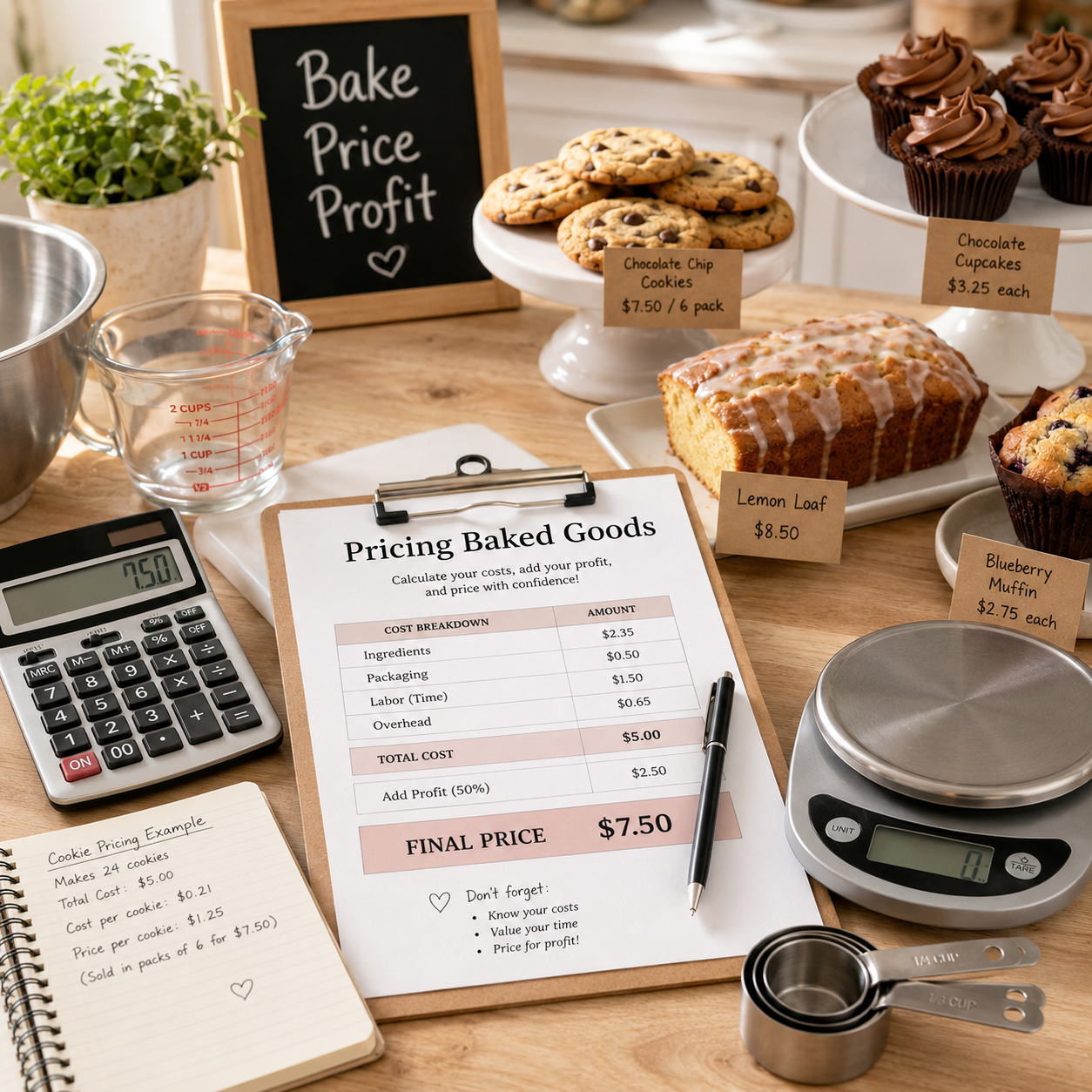
Your price should include:
- Ingredient costs
- Packaging
- Labor costs
- Overhead
- Payment processing fees
- Profit
Calculate the cost of one batch and divide it by the number of sellable portions. Then add labor, overhead, and profit.
Flour and butter are not the only costs in a cookie. You also use parchment, boxes, labels, electricity, shopping time, and your own labor.
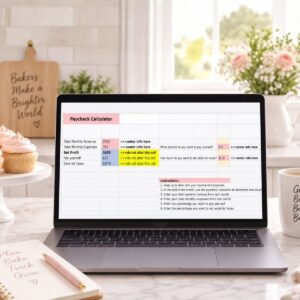
A recipe pricing tool can make this easier. FoodShop calculates recipe costs and lets you add labor and packaging before setting a selling price. It can also help manage menus and orders.
Read More: Pricing Baked Goods
13. Create an Ordering and Pickup System
A clear order process makes your baking business look professional and saves you from long message threads.
Decide:
- Where customers will see your menu
- How they will order
- When payment is due
- Which payment methods you accept
- When orders close
- Where pickup happens
- Which pickup times are available
- What happens with late pickups
- How cancellations are handled
Write these policies down and use the same process for every sale.
Preorders help you know how much to make, reduce waste, and plan your baking day.
Use an order form, spreadsheet, or bakery app instead of relying only on social media messages.
Send customers a confirmation that includes their order, total, payment status, pickup date, pickup time, and pickup instructions.
14. Build a Simple Marketing Strategy
You don't need to be on every social platform.
Choose one or two places where local customers already spend time. This may be Instagram, Facebook, email, or a community group.
Share:
- Clear product photos
- Your location or service area
- Prices
- Pickup dates
- Ordering instructions
- Customer reviews
- Behind-the-scenes baking
- Reminders before orders close
Your social media presence should make it easy to understand what you sell and how to order it.
Local marketing matters too. Tell neighbors, offices, schools, real estate agents, and nearby small businesses what you offer.
Farmer’s markets and local events can be a great way to meet people when your local rules allow them.
The goal is not only to get one sale. It is to build trust and create repeat customers.
15. Plan a Small Launch
Your first sale does not need to be a major event.
Offer one to three products in limited quantities. Set one order deadline and one pickup window.
A simple launch could look like this:
- Monday: Post the menu.
- Thursday: Close orders.
- Friday: Shop and prepare ingredients.
- Saturday: Bake, package, and offer pickup.
- Sunday: Review your results.
Afterward, ask:
- Which item sold best?
- Did my prices cover my time?
- How long did production take?
- Did the packaging work?
- Were the pickup instructions clear?
- What did customers request?
- What should I change next time?
Your first launch is market research. It does not need to be perfect. It needs to give you real information.
What You Do Not Need to Start
You do not need a storefront, food truck, huge menu, professional display cases, thousands of followers, or every piece of kitchen equipment.
You need:
- A product you are legally allowed to sell
- A tested recipe
- Safe packaging and labels
- Profitable pricing
- A clear ordering process
- A small group of potential customers
That is enough to begin.
Ready to start a bakery?
This 7-day program helps you plan your baking business, create a business plan, attract customers, and launch your bakery.
You’ll also get one full year of training, live support, and a private community of home bakers.
Get the plan, training, and support you need to finally get started.
Home Bakery Startup Checklist FAQ
How Much Money Do I Need to Start a Home Bakery?
The amount depends on your permits, menu, equipment, and packaging.
Start with what you already own. A small preorder bakery will usually cost less to start than a custom cake business, market booth, or commercial bakery.
Make a list of required startup costs before buying optional equipment.
Do I Need a Business License?
Possibly. Requirements depend on your business activity and location.
You may need a food permit, local business license, sales tax registration, zoning approval, or home occupation permit.
Can I Use My Regular Home Kitchen?
Many home-based bakers can use a regular home kitchen under cottage food rules.
However, certain products or sales methods may require a commercial kitchen. Confirm this with the agency that regulates food businesses in your area.
What Should I Sell First?
Start with three to five items you can make consistently, price profitably, and legally sell.
Choose products that travel well and fit your available time and space. Look for ingredients or packaging that can be used across several menu items.
Should I Form an LLC?
Not every new baker forms an LLC. Some begin as sole proprietors.
Because your business structure affects taxes and liability, speak with a qualified professional before choosing.
Do I Need a Commercial Kitchen?
You may need a commercial kitchen if your products are not allowed under your state’s cottage food rules.
A commercial kitchen may also become a good option when you need more storage, larger work tables, commercial ovens, or room for employees.
Do not rent commercial space before your sales can support the added expense.
Take the First Step
Starting your own home bakery business does not require doing everything at once.
Begin with the legal requirements. Then choose a small menu, calculate your prices, organize your order process, and plan one simple sale.
Each sale will teach you something. You will learn what customers want, how long production takes, and which products make the most money.
That is how a home bakery grows. Not through one giant leap, but through a series of small, smart steps.
Use this home bakery startup checklist as your roadmap. Check off one task at a time, and before long, you will be ready to open your kitchen for business.
Leave a Reply