





Have you ever reached for a bag of flour, smelled a rancid odor, and wondered “How long does flour last” anyway?
As bakers, there are so many details to think about that we often forget to pay attention to the proper storage of our baking flour. Different types of flour come with varying shelf lives, and the way we store them can significantly impact the outcome of our bakes.
In this comprehensive guide, I’ll share what I’ve learned about proper flour storage, exploring different types of flour, their expiration dates, ideal storage methods, and what to do with expired flour.
Baking Basics Series
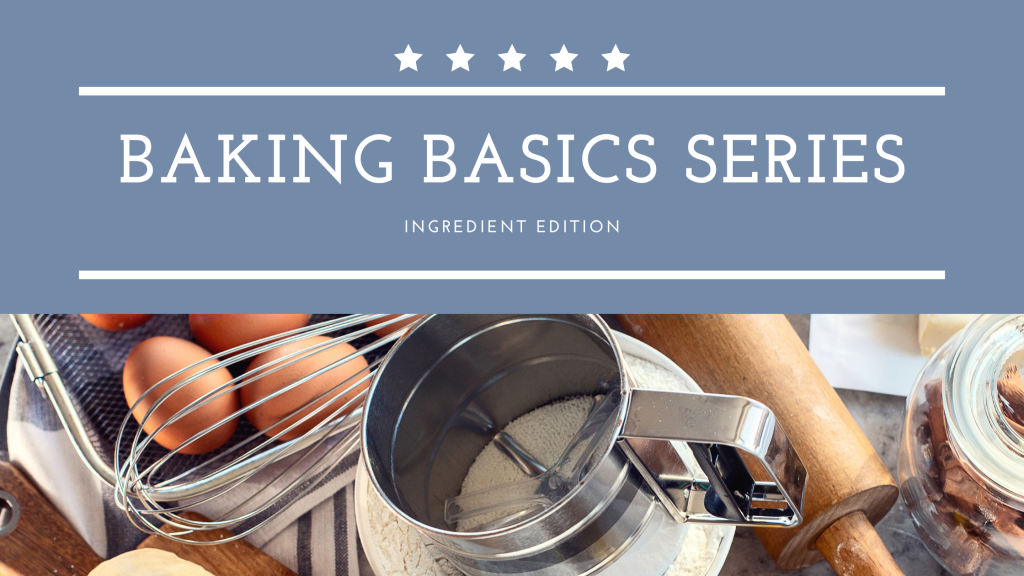
Welcome to my Baking Basics Series. We’re diving into the nitty-gritty of what makes each ingredient tick, and I’m sharing my best tips for quick substitutions when you’re in a pinch. To check out the full series, click here.
Do Different Flours Have Different Shelf Lives?
Before we dive into the nitty-gritty of flour storage, let's first understand that not all flour is created equal when it comes to shelf life.
How Long Does Flour Last?
Various factors contribute to the shelf life of flour. Here's a breakdown of some common types of flour and their unique characteristics:
-
White Flour: Also known as all-purpose flour, The versatile staple that graces most kitchens, white flour, has a relatively long shelf life. It typically lasts from 6 months to 1 year when stored at room temperature. The good news is that due to its refined nature, it is more resistant to spoilage!
-
Whole-Wheat Flour: Due to the oils present in the bran and germ, whole wheat flour is inherently more delicate, resulting in a shorter shelf life of around 3 to 6 months.
-
Self-Rising Flour: Self-rising flour is a type of flour that has baking powder and salt already mixed into it. With the inclusion of leavening agents, self-rising flour's shelf life hovers around 6 to 8 months.
-
Whole-Grain Flours: (including almond flour, coconut flour, buckwheat flour, and other nut flours): Whole grains are known for their rich natural oils, and demand special attention to prevent quick spoilage. Stored in the refrigerator, you can expect them to last about 2-3 months. A great way to extend the shelf-life is to store these types of flours directly in the freezer, where they will be good for up to 6 months.
How Can I Tell the Expiration Date of My Flour?
Being able to decide whether your flour is still suitable for baking is so important to ensuring the success of your baking.
Here's how you can tell whether your flour has passed its prime:
Check the Printed Date (Best-By Date)
Many manufacturers provide an expiration or "best by" date on the packaging. While this date offers a general guideline for when your flour might start losing its freshness, it's important to note that it's not a strict deadline. Flour can often be usable beyond this date with proper storage.
Look for Signs of Mold
If you detect any signs of mold growth or an unpleasant moldy odor, it's wise to throw away the flour immediately. Moldy flour is unsuitable for consumption and can affect the quality of your baked goods. These food storage bags come with the added bonus of neutral odors and easy access – perfect for keeping a wide variety of flours in tip-top shape.
Check for Flour Beetles and Bugs
The presence of tiny bugs or flour beetles in your flour is a clear indication that the flour is compromised. These pests can multiply quickly and spread to other stored items, so it's best to dispose of the entire bag and thoroughly clean your storage area.
These storage solutions have got your back, keeping the pesky critters at bay and ensuring the quality of your flour remains uncompromised from the first sprinkle to the last.
What Is the Best Way to Store Flour to Make It Last Longer?
Now that we've uncovered several ways to know if your flour is still good, let's take a look at the best ways to maximize the lifespan of your bag of flour.
Proper storage methods are key to preserving the quality of your flour:
-
Original Packaging- If you plan to use your flour quickly you can leave it in the original bag, but the flour bag can still pick up undesirable smells and moisture.
-
Airtight Container: When it comes to long-term flour storage, I recommend transferring your flour to an airtight container. This can help prevent moisture and pests from getting into the flour. This is especially true if you purchase larger quantities of flour. An airtight container is recommended to maintain optimum freshness.
-
Dry and Cool Place: Store your flour in a cool, dry spot, away from direct sunlight and heat sources. Exposure to too much air, light, or warmth can accelerate the breakdown of flour and lead to rancidity.
-
Placing Smaller Quantities in a Plastic Bag: If you've purchased a large bag of flour, consider dividing it into smaller portions and sealing them with a vacuum sealer or in mylar bags . This approach helps minimize air exposure, preserving the freshness of the unopened portions.
💡Pro Tip- To extend the shelf life and keep your flour fresher for longer use oxygen absorbers. They are little packets that can be added to all your dry goods to absorb extra moisture.
[eafl id="4644" name="Food Grade Oxygen Absorbers Packets For Food Storage" text="affiliate link"]
Can I Still Bake with Expired Flour?
You may find yourself wondering if you can salvage that bag of flour that's been sitting around for a while.
While baking with expired flour isn't necessarily a health hazard, several factors need to be taken into account before you decide to use old package of flour.
Is Food Safety a Concern When Using Old Flour?
Using expired flour is generally safe, but the quality and taste of your final baked goods might be compromised. The result may not be as delightful as you'd expect for your hard work and effort. For best results, use flour that has not passed its expiration date.
Does Your Flour Have a Musty Smell and Appearance?
If your flour emits a musty or rancid odor, or if it displays an off-putting discoloration or moldy appearance, it's best to avoid using it. Fresh flour should have a neutral smell and a consistent color. If your flour shows visible mold growth, it's time to bid it farewell. Moldy flour isn't suitable for baking and should be discarded, preferably in a compost bin to minimize waste.
Check out my must-have flour storage containers
I've got some fantastic flour storage solutions that are perfect for anyone who likes to have fresh supplies on hand for last-minute baking needs.
[eafl id="4646" name="Chef's Path Extra Large Food Storage Containers with Lids" text="affiliate link"] [eafl id="4647" name="Large Airtight Food Storage Container Bin, 20-lb" text="affiliate link"][eafl id="4648" name="30 Mylar Bags for Food Storage 1 Gallon" text="affiliate link"]
Whether you're dealing with wholesome whole-grain flour or the refined elegance of cake flour, these containers ensure the shelf life of your flour is extended, while also maintaining its best quality. By the way, these storage wonders are also excellent for safeguarding gluten-free flour!
And if you're into long-term storage, I've got the inside scoop on the best ways to preserve your flours for extended freshness. From mylar bags to sturdy plastic containers, these gems are more than just a good idea – they're the secret to culinary success that's truly on another level.
Say goodbye to the "flour's gone bad" scenario and let these storage superstars transform your pantry into a picture of freshness!
High Quality Containers Are a Great Way to Preserve the Quality of the Flour
When it comes to being a good baker, you need to make sure that your ingredients are always fresh. Understanding the different shelf lives of various types of flour and adopting the right storage practices are vital to the success of your baking!
By following these guidelines, you'll be well-equipped to maintain the freshest and highest-quality flour for your recipes.
If you found this post helpful, I'd like to invite you to explore some of my other blog posts!
If you're eager to learn more about effective food storage techniques, my article on The Best Kitchen Pantry Storage Tips will provide you with valuable insights to keep your pantry organized and your ingredients at their best.
Looking to bake something delicious with whole wheat flour? Don't miss out on my favorite bread recipe for Copycat Dave's Killer Bread, a tried-and-true gem that's bound to elevate your baking skills and fill your kitchen with the wonderful aroma of freshly baked bread.
And for those who like to plan ahead and make the most of their time in the kitchen, The Ultimate Guide to Freezing Baked Goods will be your go-to resource for ensuring your treats stay as delicious as the day they were made.
So, whether you're a bakery owner or just dipping your toes into the world of baking, these blog posts are designed to provide you with the tools and knowledge you need for baking success.
Leave a Reply